
Five-Minute Lessons: A Realistic Study Day for a Class 2 Child
Forget the hour-long study session. Here is a day of interactive learning for a seven-year-old that actually fits a real family, and why short beats long at this age.
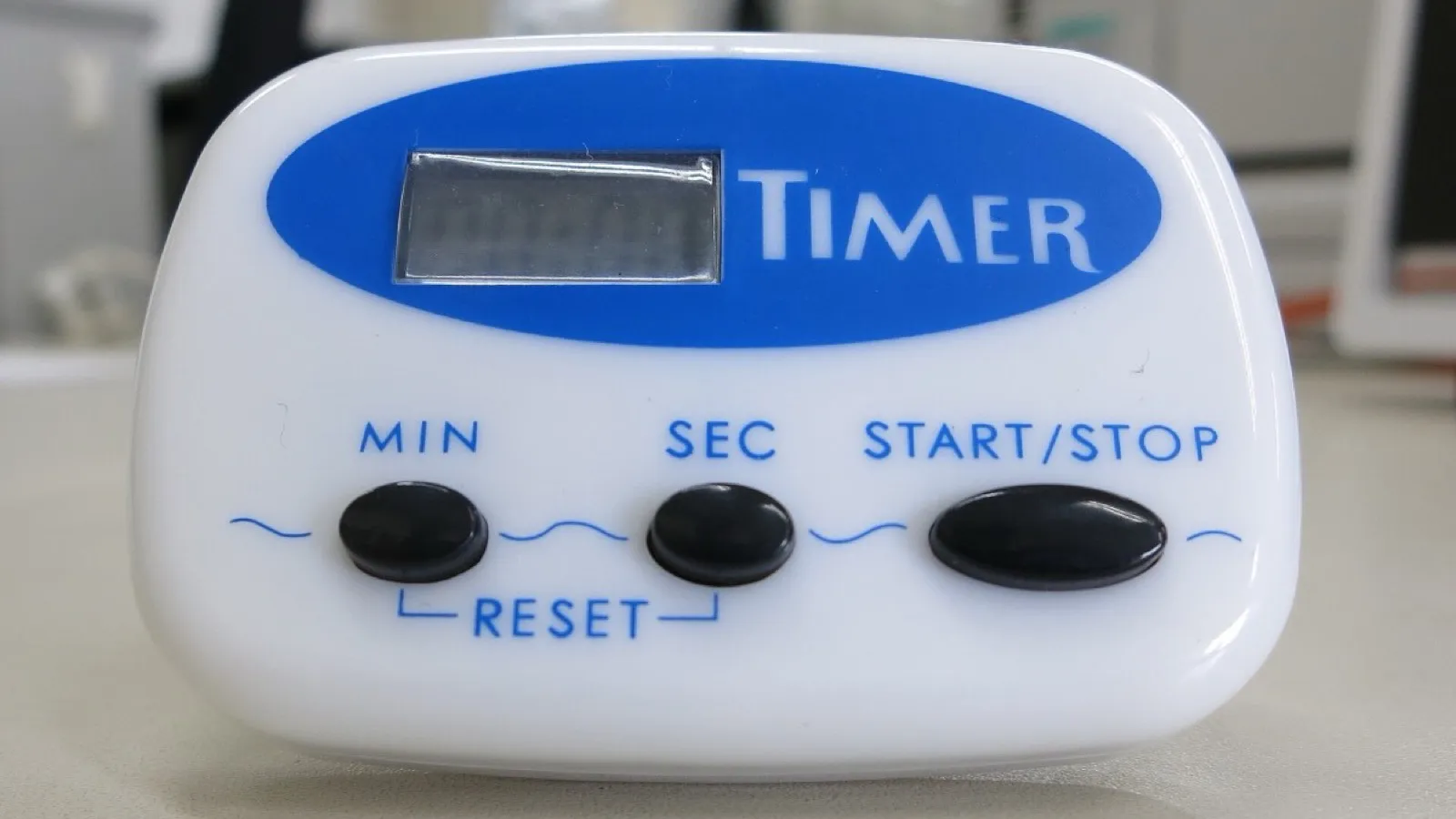
A seven-year-old's useful attention on one task is about as many minutes as they are years old: give or take. That is not a flaw to fix with discipline; it is how a young brain is built. Planning a forty-minute "study time" for a Class 2 child sets everyone up to fail: the child fidgets, the parent nags, and the association forms that learning equals conflict.
Here is a day that works instead. Total learning time: about twenty minutes, spread out, none of it a battle.
After breakfast, 5 minutes: one audio lesson
Before school, while the mind is fresh, one short lesson on a single topic, listened to rather than read. Counting to 100, the days of the week, what a noun is. Let them press Listen again as often as they like. Ask one question about the picture on screen. Done.
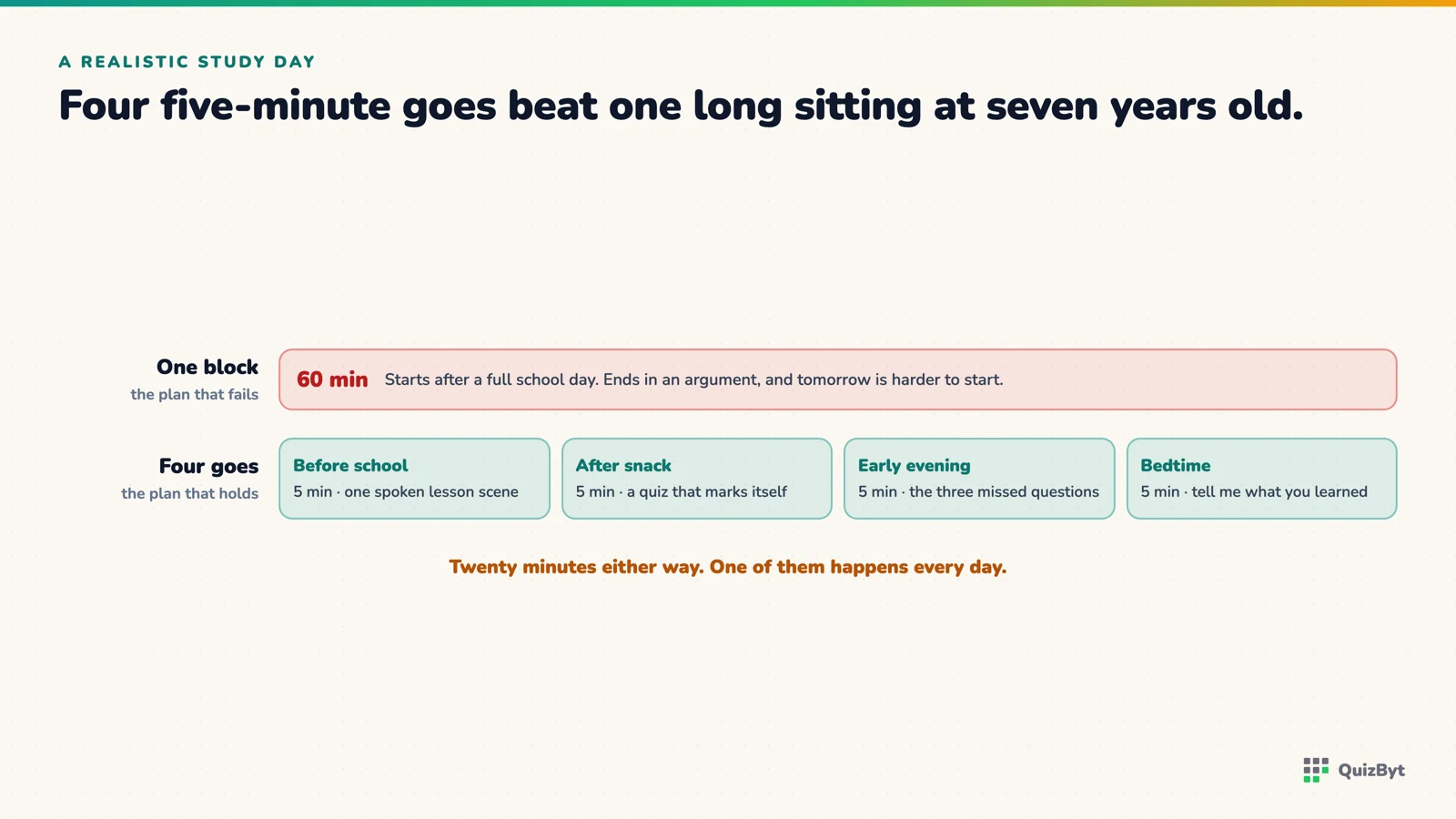
After school, 5 minutes: one quiz
Five tap-to-answer questions on the morning's topic. The point is not the score, it is the instant feedback: a tick and a one-line reason for each answer. A wrong answer explained straight away is the best teaching moment of the day. If the questions can be read aloud to them, even better. They are answering the idea, not the reading.
Early evening, 10 minutes: one worksheet, on paper
Print one worksheet. Yes, paper. Writing by hand slows the child down in a good way, and it is how they will actually sit exams for years to come. Mark it together with the answer key. Circle what was right first; then look at one thing to fix. Stop while it is still going well.
Bedtime: 0 minutes of study, 2 minutes of talk
"What was the lesson about this morning?" Retelling is the most powerful revision there is, and it costs nothing. If they can explain it, they own it.
Why short wins
- Spacing. Three small touches on a topic across a day beat one long session, memory forms on repetition with gaps, not on duration.
- No dread. A five-minute task is never worth arguing about. Consistency comes from tasks that are easy to start.
- Success ends every session. Stopping before frustration keeps the child wanting tomorrow's five minutes.
Everything above (audio lessons, read-aloud quizzes and printable worksheets matched to Class 1, 2 or 3) is on QuizByt, and every subject opens with a free sample.
Responses
Sign in to join the conversation. Responses are open to people with a QuizByt account, which is how we keep this a place you would let your child read.
Loading responses…
Lessons that talk, quizzes that mark themselves, games that make kids think
QuizByt is matched to your child's class. Classes 1–10 and Cambridge O Level. Every subject opens with a free lesson, quiz and worksheet, no account needed.
 Learning by Ear and Eye: How Audio and Pictures Teach a Six-Year-OldA child in Class 1–3 is still learning to read. Lessons that are spoken aloud and shown in pictures reach them years before text can. Here is why, and how to use it at home.Read the article →
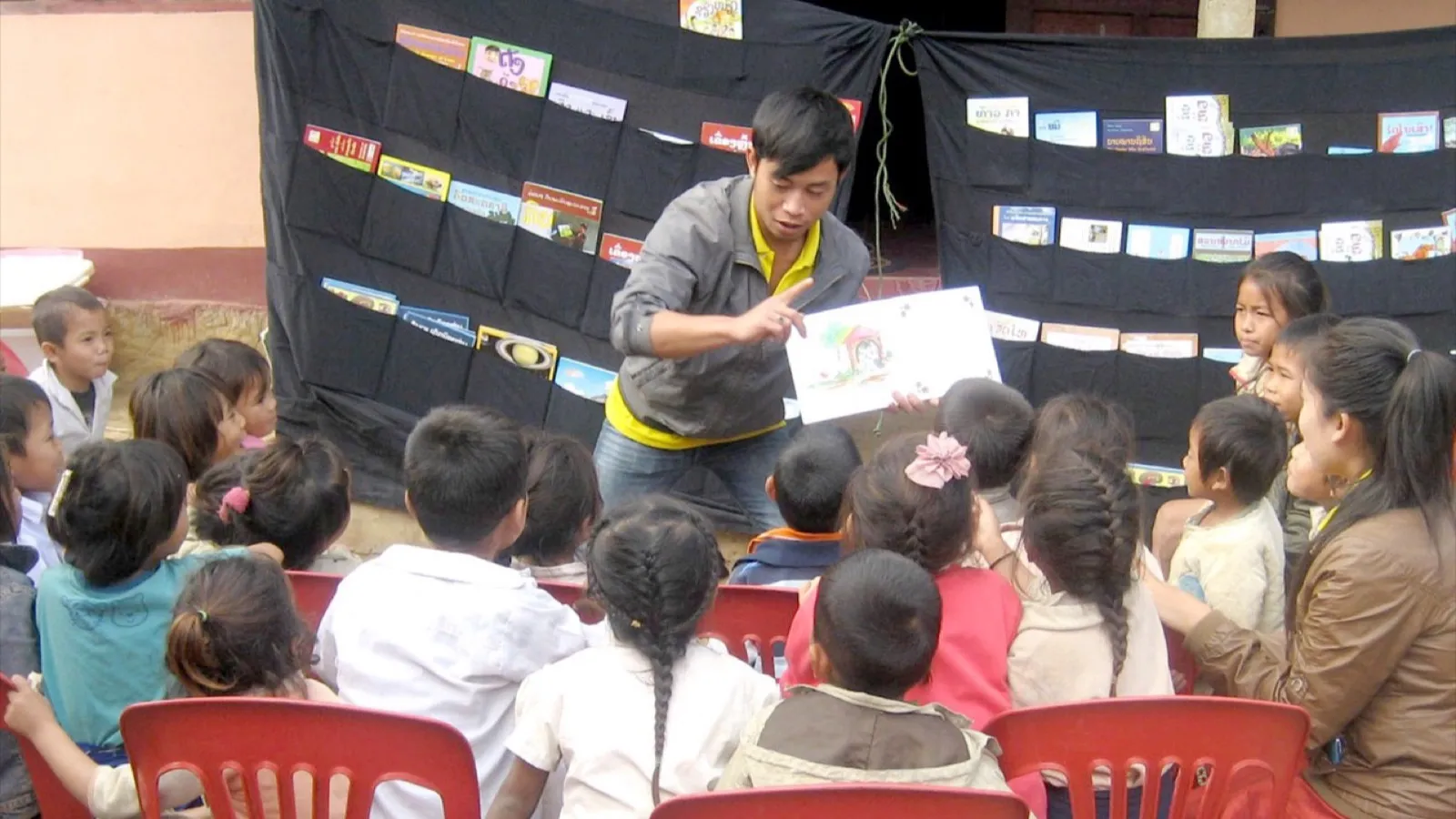 Read-Aloud Quizzes: Why Listening Beats Reading for Early LearnersA quiz a Class 1 child has to read is really two tests at once. A quiz that reads itself aloud tests the one thing you care about: does the child know the answer?Read the article →
 Should You Trust AI-Written Quizzes in a Classroom?Generative models still get things confidently wrong, and a wrong answer marked correct teaches the mistake. The answer is not to ban AI from question writing. It is to never let it publish unreviewed.Read the article →