
Home · Blog
The QuizByt Blog
How children actually learn, audio and picture lessons for the youngest, screens that teach instead of distract, games that build thinking, and the parent's job in the age of AI.

More articles
 One Chapter, Three Boards: What Changes and What Does NotTake quadratic equations across Cambridge IGCSE, Oxford AQA and the Federal Board matric syllabus. The content list looks almost identical. The teaching, the depth and the examination are not. A worked comparison.Read the article →
 Upload a PDF, Get a Lesson, a Quiz and a WorksheetA school uploads the chapter it is actually teaching. Out comes a scrolling lesson, a self-marking quiz and a printable worksheet, all drafts, all waiting for a teacher. What happens in between, and what makes it fail.Read the article →
 Why Several Agents Instead of One Big PromptAsking one model to read a chapter, pick the topics, write the questions, draw the pictures and check its own work produces something that looks right and falls apart at the edges. Splitting the job into steps that each produce something inspectable works better, and here is why.Read the article →
 What the AI Is Not Allowed to DecideA list of decisions a language model never makes on QuizByt, and the mechanism that stops it in each case. Not policies and promises, but constraints in the code.Read the article →
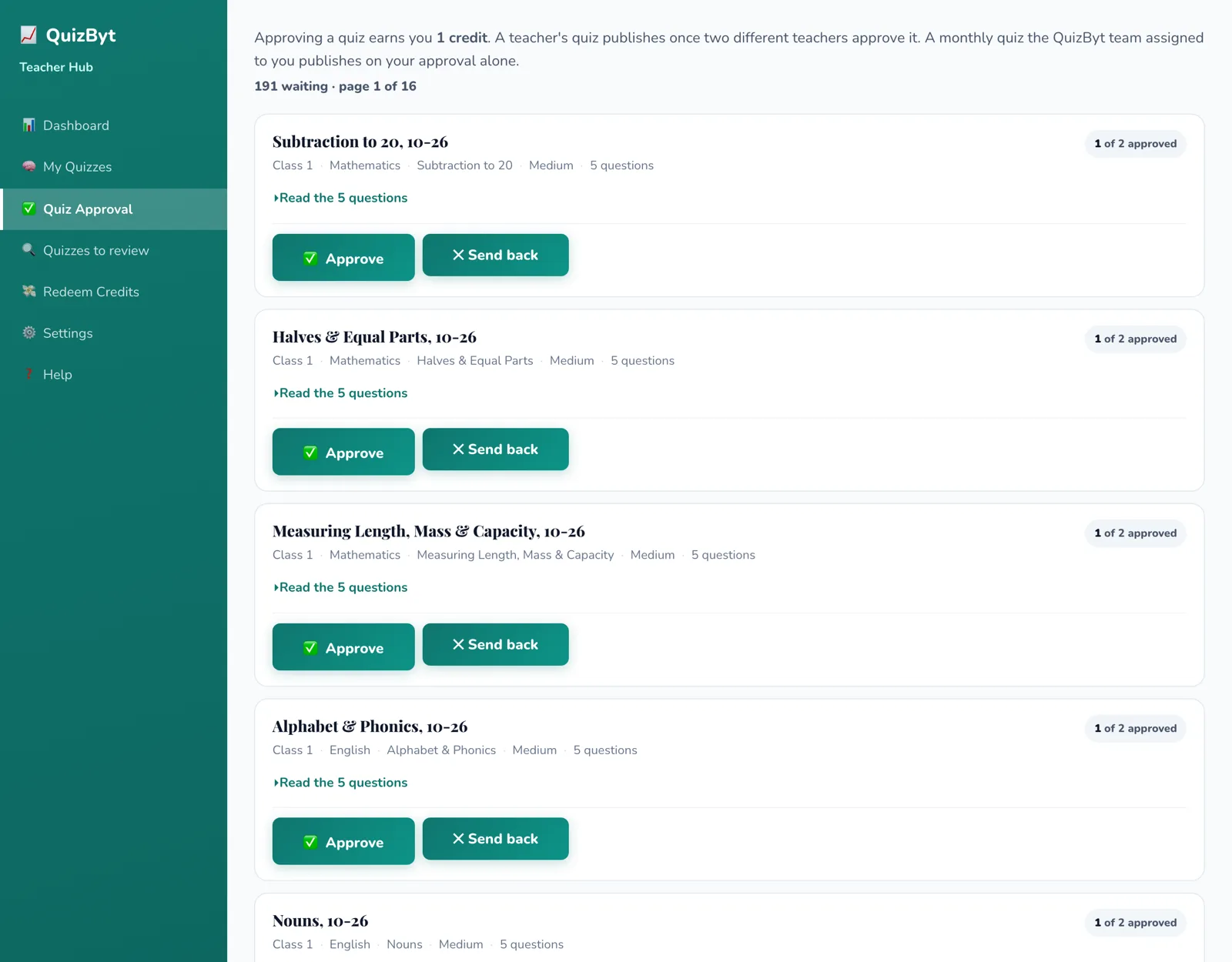 The Teacher Portal: Who Checks the Machine, and What They Earn for ItGenerated content is only as good as its review, and review only happens if someone is paid to do it. QuizByt pays teachers in credits, which convert to money. Here is exactly how the queue, the approvals and the payouts work.Read the article →
 The Hours a School Gets BackCounted honestly, with the hours it adds as well as the hours it removes. Where a department of six actually saves time, where it does not, and the one place the saving is larger than anyone expects.Read the article →
 When the AI Gets It Wrong: Five Failure Modes We Plan ForGenerated questions fail in patterns, and the patterns repeat. Here are the five we see most, what each one looks like on the page, and what catches it before a child does.Read the article →
 A School's First Month With AI-Built ContentWeek by week: what to upload first, who reviews, what usually goes wrong in week two, and what you should be able to see by the end of the month. A plan rather than a promise.Read the article →
 How We Use AI to Build a Quiz: The Whole PipelineA quiz on QuizByt passes through six stages before a child sees it, and a language model is only in charge of one of them. Here is each stage, what runs it, and what would happen if you removed it.Read the article →
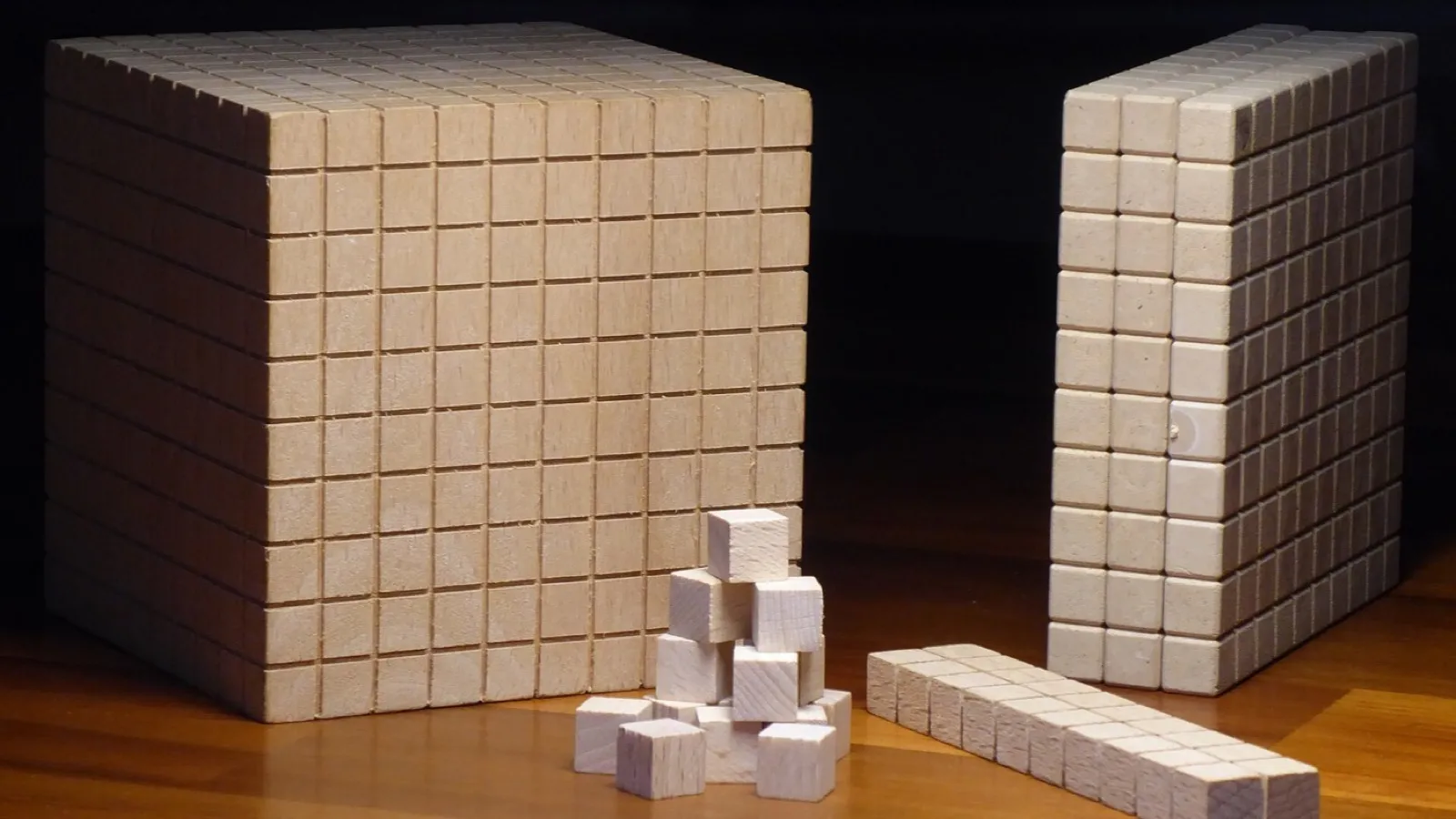 Place Value for Class 1 to 3: Digits, Tens and Hundreds Without TearsThe digit 4 means four things in 4, forty things in 40 and four hundred things in 400. A child who really understands that can add, subtract, round and compare. A child who does not is memorising tricks.Read the article →
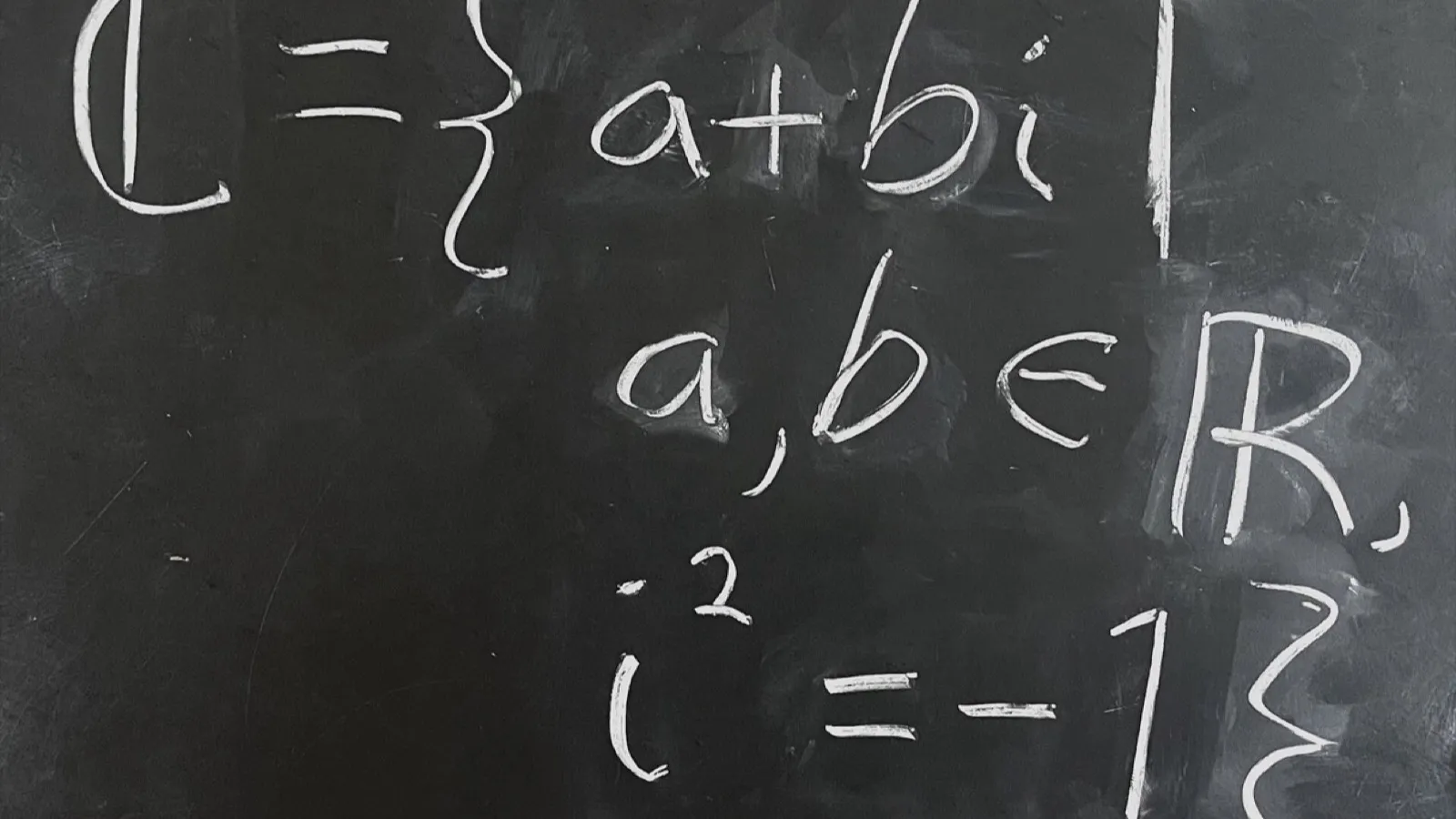 Prime and Composite Numbers, Class 5: A Ten-Minute Lesson and a QuizA prime number has exactly two factors, itself and one. That single sentence is the whole topic, and most of the confusion comes from never being told it plainly. Here it is, plainly, with the lesson and quiz to follow.Read the article →
 Adjectives for Class 2 and 3: Describing Words a Child Can Actually UseChildren can name adjectives long before they use them well. The gap closes when the word is attached to a thing in front of them, not a list on a page. How the two lessons do that, and how to do it at the dinner table.Read the article →
 Fractions From Halves to Equivalence: Class 2 to Class 6Fractions are where a lot of children decide they are "bad at maths". Almost always the decision is made in one specific place: the jump from halves and quarters to equivalent fractions. Here is the whole road, and where to slow down.Read the article →
 Tenses for Class 2 to 4: Past, Present and Future in a WeekMost children already use tenses correctly when they talk. The lesson is not teaching them the tenses; it is teaching them the names for what they already do, and then the exceptions. That changes how you approach it.Read the article →
 Forces for Class 1 to 3: Push, Pull, Gravity and FrictionA push or a pull. That is a force, and a six-year-old can feel one. The trouble starts when the words arrive before the feeling. Three lessons that keep the order right, from opening a door to why a ball rolls to a stop.Read the article →
 Cells From Class 6 to Class 9: The Same Idea, Three Times DeeperEvery living thing is made of cells. Class 6 says it. Class 8 opens one up. Class 9 explains how each part works. A child who reads the three in order sees biology as one story rather than three exams.Read the article →
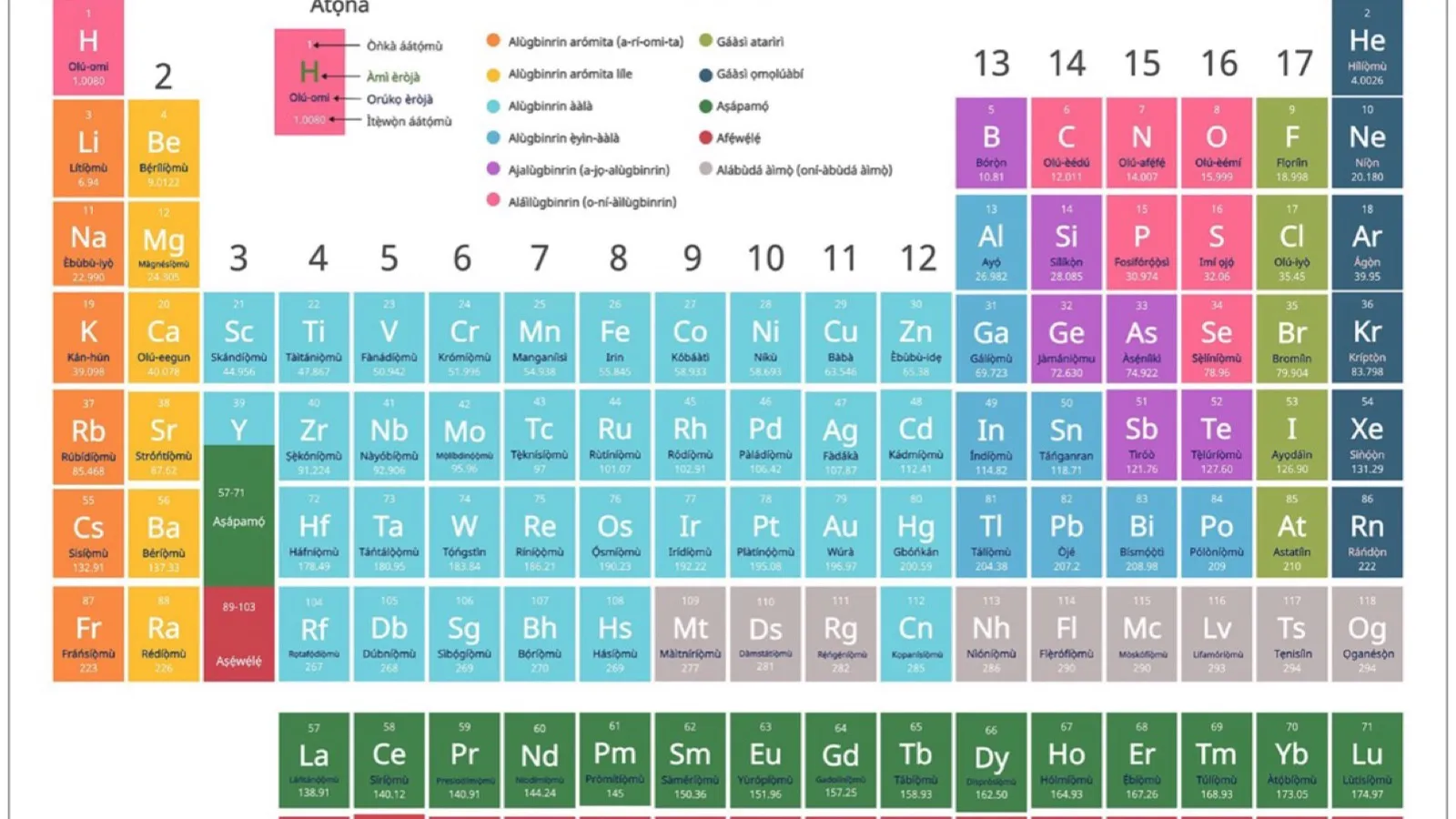 The Periodic Table From Class 7 to O Level ChemistryThe periodic table looks like a thing to memorise. It is the opposite: it is the thing that means you do not have to memorise. Read it right and it tells you how an element behaves before you have met it.Read the article →
 How to Choose an Online Quiz System for Your School: Twelve Questions to AskEvery vendor demo shows a quiz being taken. Almost none shows what happens the next morning. Twelve questions that separate a quiz system a school will still be using in a year from one it will quietly abandon.Read the article →
 What to Look For in a Learning App for a Five-Year-OldMost apps for this age are built to be opened again, not to teach. The difference is visible in about two minutes if you know where to look. Seven things to check, and the reason behind each one.Read the article →
 One Account, Three Children: Homeschooling Siblings at Different StagesA Kindergartener, a Class 4 child and a Class 9 student in one house need three completely different mornings. How one yearly plan carries all three, each with their own class, dashboard and PIN, and siblings at half price.Read the article →
 Why Credits and Games Keep a Homeschooled Child Coming BackA homeschooled child has no classmates to keep up with and no bell to answer. The thing that brings them back to the desk tomorrow has to be built in. Here is what is built in, and the research behind it.Read the article →
 Homeschooling With QuizByt: A Day That Runs ItselfThe hardest part of homeschooling is not the teaching, it is being the timetable, the marker and the motivator at once. Here is a day where the lesson advances itself, the quiz marks itself and the reward is already agreed.Read the article →
 From Chapter to Exam in an Afternoon: What AI Does and What the Teacher Still DoesA walk through one afternoon: chapter uploaded at two, draft at five past, twenty questions read and four rewritten by half past, exam assigned by three, results by four. Who did what.Read the article →
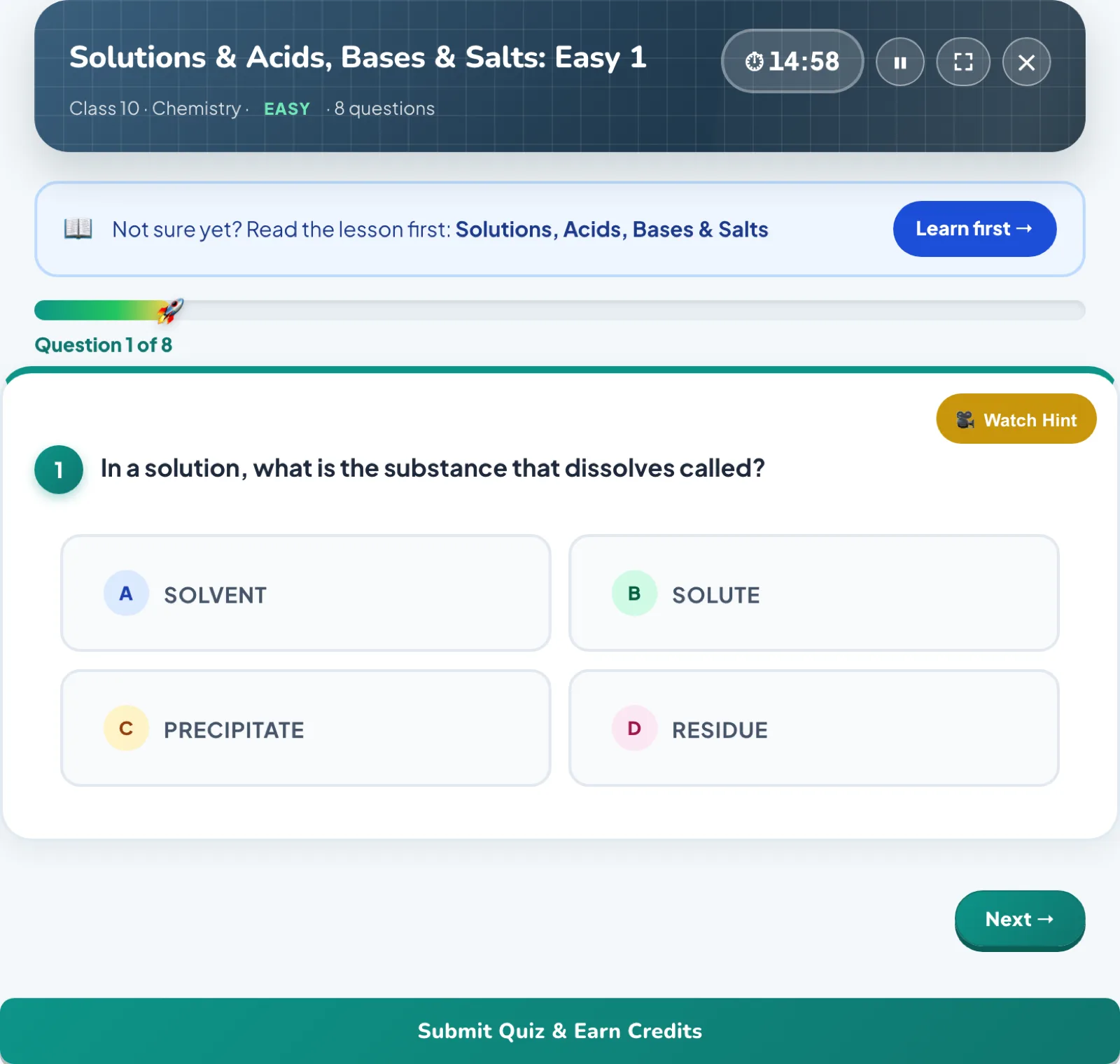 Timed, Retried and Reviewed: The Exam Rules a School Can Set on QuizBytFifteen, ten or seven minutes by difficulty. One attempt or three. Answers held back until the last try. Hints on or off, read-aloud on or off. Every rule, and where it is set.Read the article →
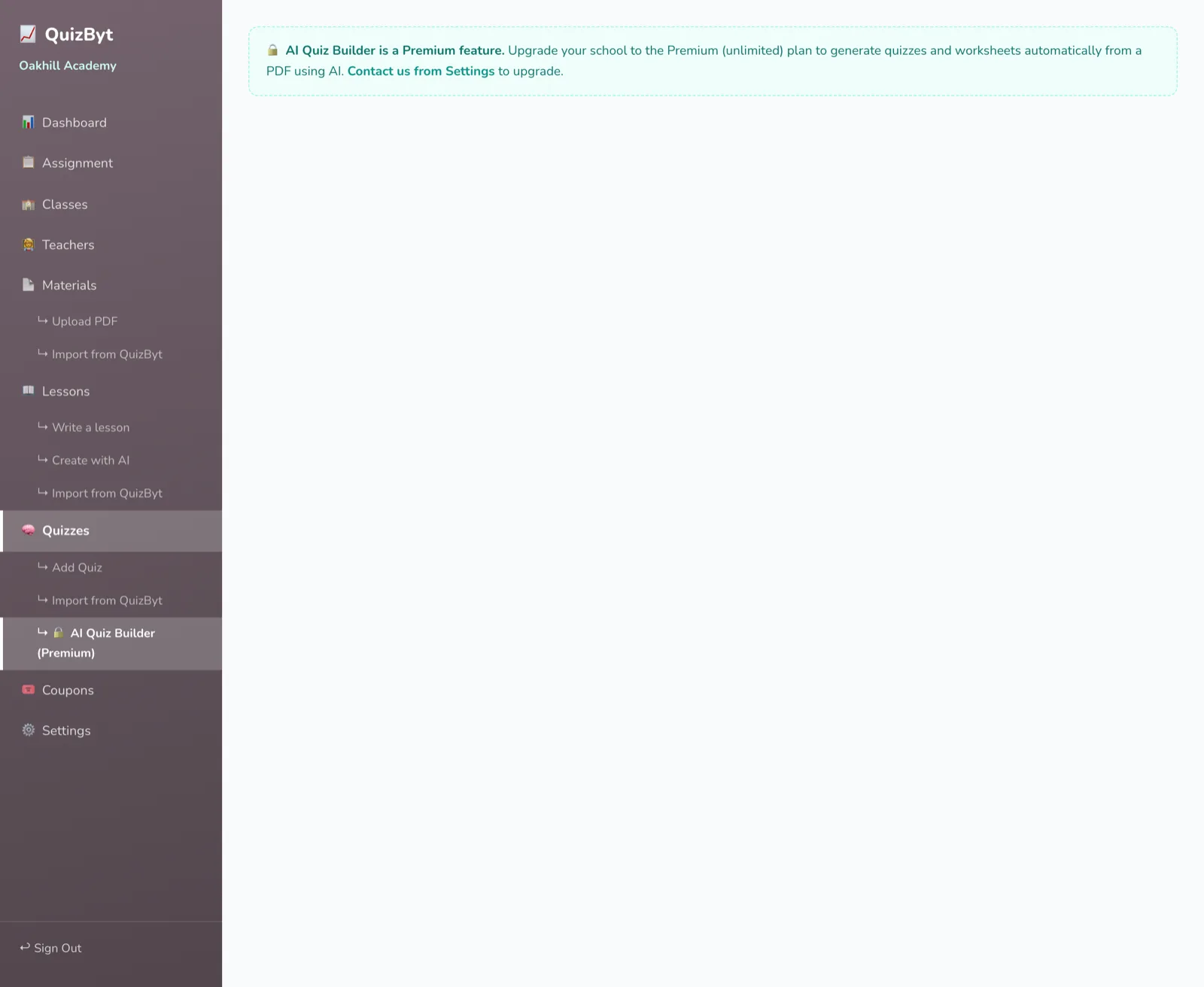 An Online Exam System for a School, Built From a PDF and a Teacher's ApprovalUpload the chapter, get twenty questions at the level you asked for, edit them, assign them with a time limit. What the AI does, what the teacher still does, and why the second part is not optional.Read the article →
 Five Levels Per Game: Why Class 2 and O Level Play the Same Game DifferentlyEvery game has a five-rung ladder, and the rungs bend by age. A seven-year-old gets twice the time and a lower pass mark on level one; an O Level student does not. Here is the design.Read the article →
 Credits Decide Which Game Opens Next: The Unlock Ladder ExplainedOne credit opens the first game in each section. Eleven opens the second. Fifty-one opens everything. The exact numbers, where credits come from, and why the ladder is in that order.Read the article →
 How QuizByt Picks Games by Age: Three Bands, Not One CatalogueA seven-year-old and a fifteen-year-old should not see the same games list. Here is how a child's class decides which games they can see, which are free, and which come with spoken instructions.Read the article →
 A Migration Plan From Google Classroom to QuizByt, in Five StepsDo not switch everything on a Monday. Move the test, then the practice, then the lessons, keep Classroom for announcements, and decide at the end of term whether you still open it.Read the article →
 Replacing Google Classroom for Quizzes, Marking and ProgressThe hour a teacher spends marking a class test is the hour Classroom never gave back. What a teacher's week looks like once the test marks itself and the weak topics are already on a screen.Read the article →
 QuizByt vs Google Classroom: What Each One Actually DoesThey are not the same kind of tool, and pretending otherwise helps nobody. Classroom is a place to hand things out; QuizByt is a place where the work marks itself. Here is exactly where they overlap and where they do not.Read the article →
 A Level: Independent Study That Actually WorksA Level removes the supervision. Students who built self-testing years earlier barely notice; students who relied on being told what to revise struggle regardless of ability.Read the article →
 What a Falling Quiz Score Is Actually Telling YouA score is a measurement, not a verdict. Read properly, a bad one is the most useful thing that happened all week, and there are only about four things it can mean.Read the article →
 How to Move Up One Grade in a Single TermNot by working twice as hard. By spending the same hours on the topics that are actually costing marks, which most students never identify.Read the article →
 Should You Trust AI-Written Quizzes in a Classroom?Generative models still get things confidently wrong, and a wrong answer marked correct teaches the mistake. The answer is not to ban AI from question writing. It is to never let it publish unreviewed.Read the article →
 From Paper to Tablet Without Losing the LearningMost school digitisation projects move the paper onto a screen and call it transformation. Here is what actually has to change, and the parts of paper worth keeping.Read the article →
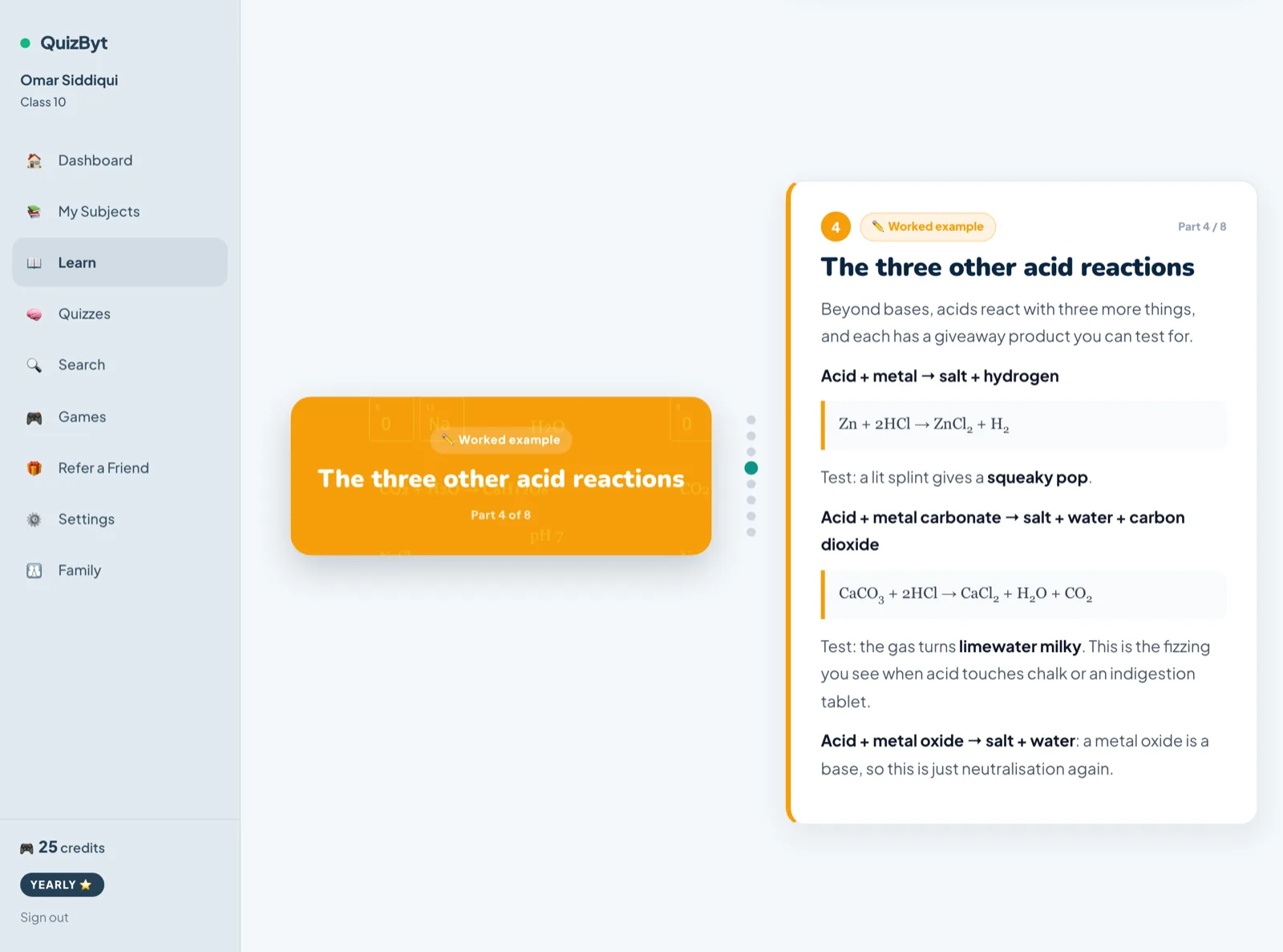 Scrolling Lessons Instead of Slide Decks: What ChangesStudents scroll for hours and sit through slides for minutes. Using the format they already read fluently is a real gain, but be careful which gain you claim.Read the article →
 Why Students Scroll, and How to Use It Instead of Fighting ItThe habit schools complain about is a trained skill: rapid evaluation, self-pacing, and instant abandonment of anything that does not earn attention. Learning material can meet that standard.Read the article →
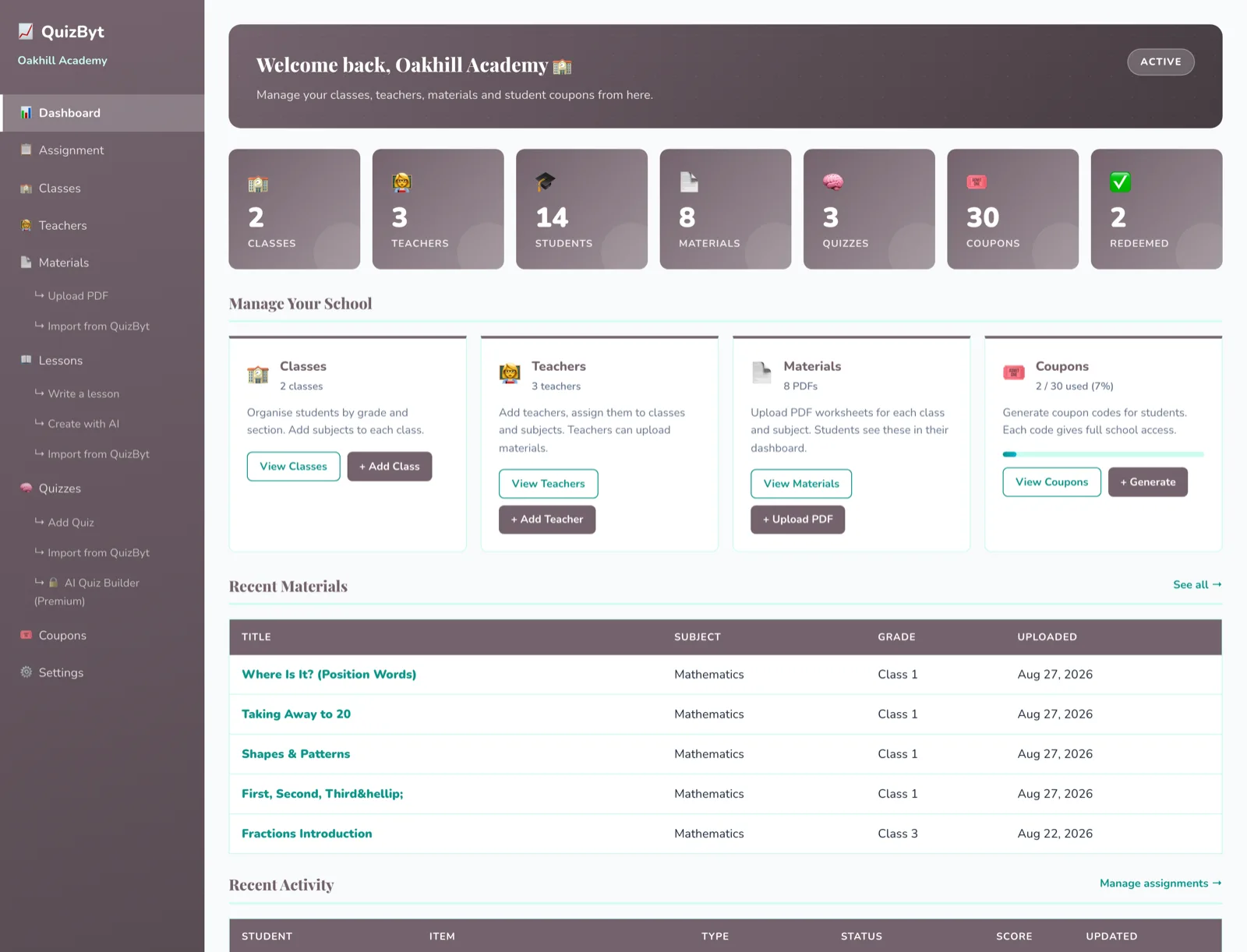 Set Up a Whole School in a DayClasses, teachers, students, materials and the first assignments, the realistic order to do it in, and the two steps that actually take the time.Read the article →
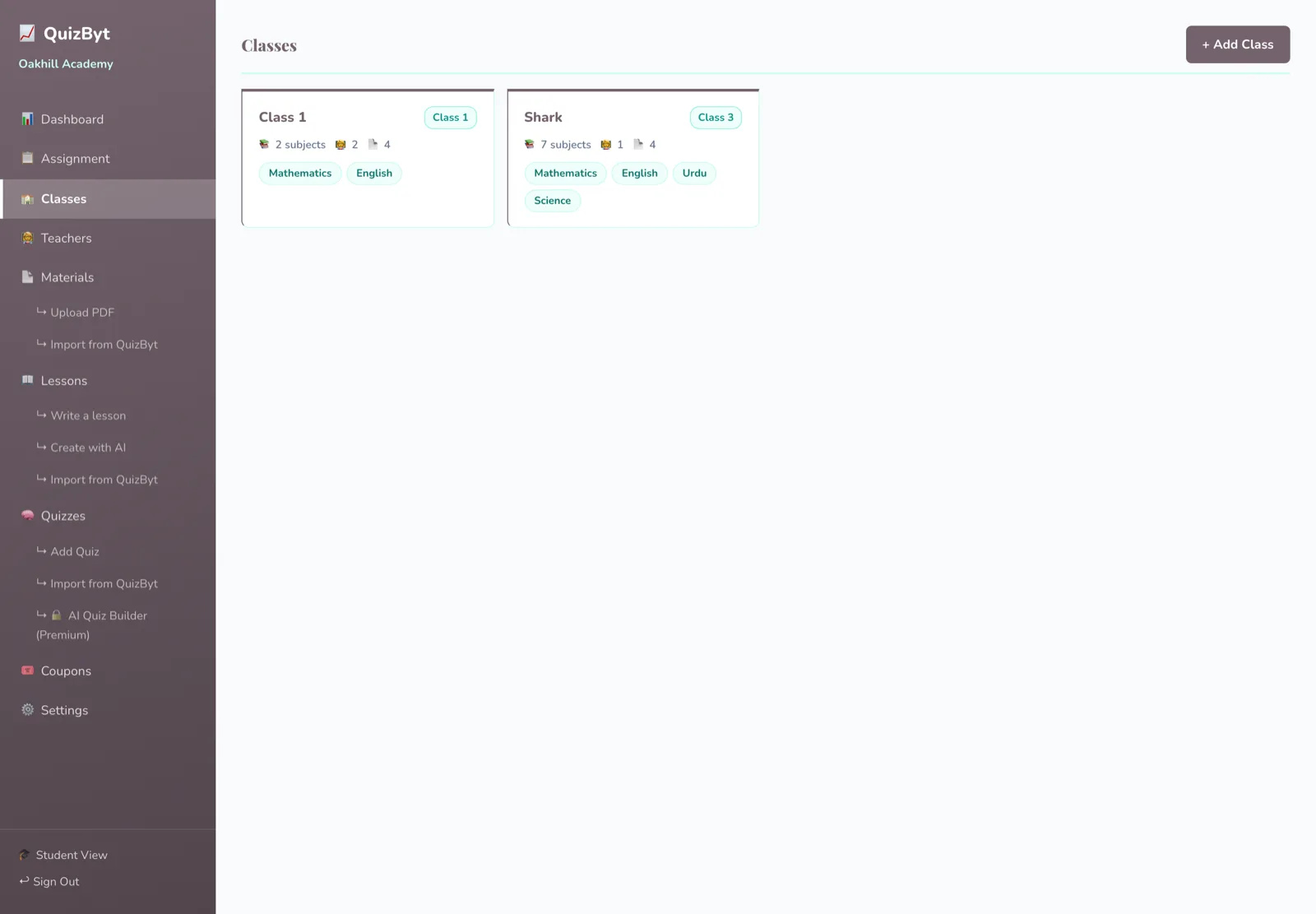 One Teacher, Every Class: Assignments and Results in One PlaceSet work for one student, a group or a whole class, and see who did it and how they scored, without three spreadsheets and a WhatsApp group.Read the article →
 PDF Assignments Your Teachers Still Mark by HandNot everything should be auto-marked. Written method, working out and long answers need a human, and they should not have to live outside the system to get one.Read the article →
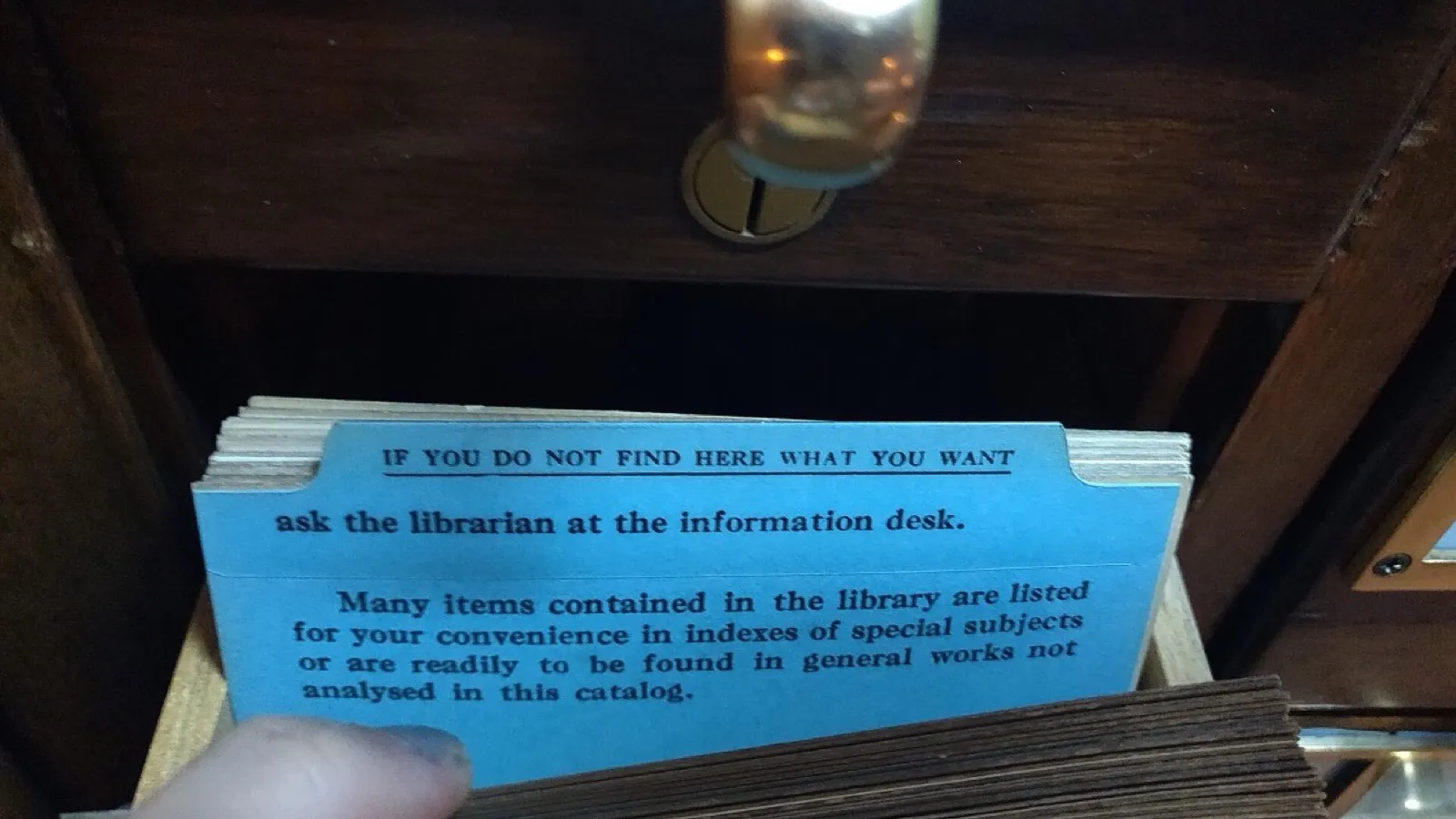 Build Your Own Question Bank, Import Ours, or Draft With AIThree routes to a school question bank, and they are not alternatives. Most schools end up using all three, for different parts of the syllabus.Read the article →
 Remote and Home Schooling That Students Actually FinishThe hard part of remote learning was never delivering the material. It was that nobody was in the room, and self-paced work only works when finishing is designed in.Read the article →
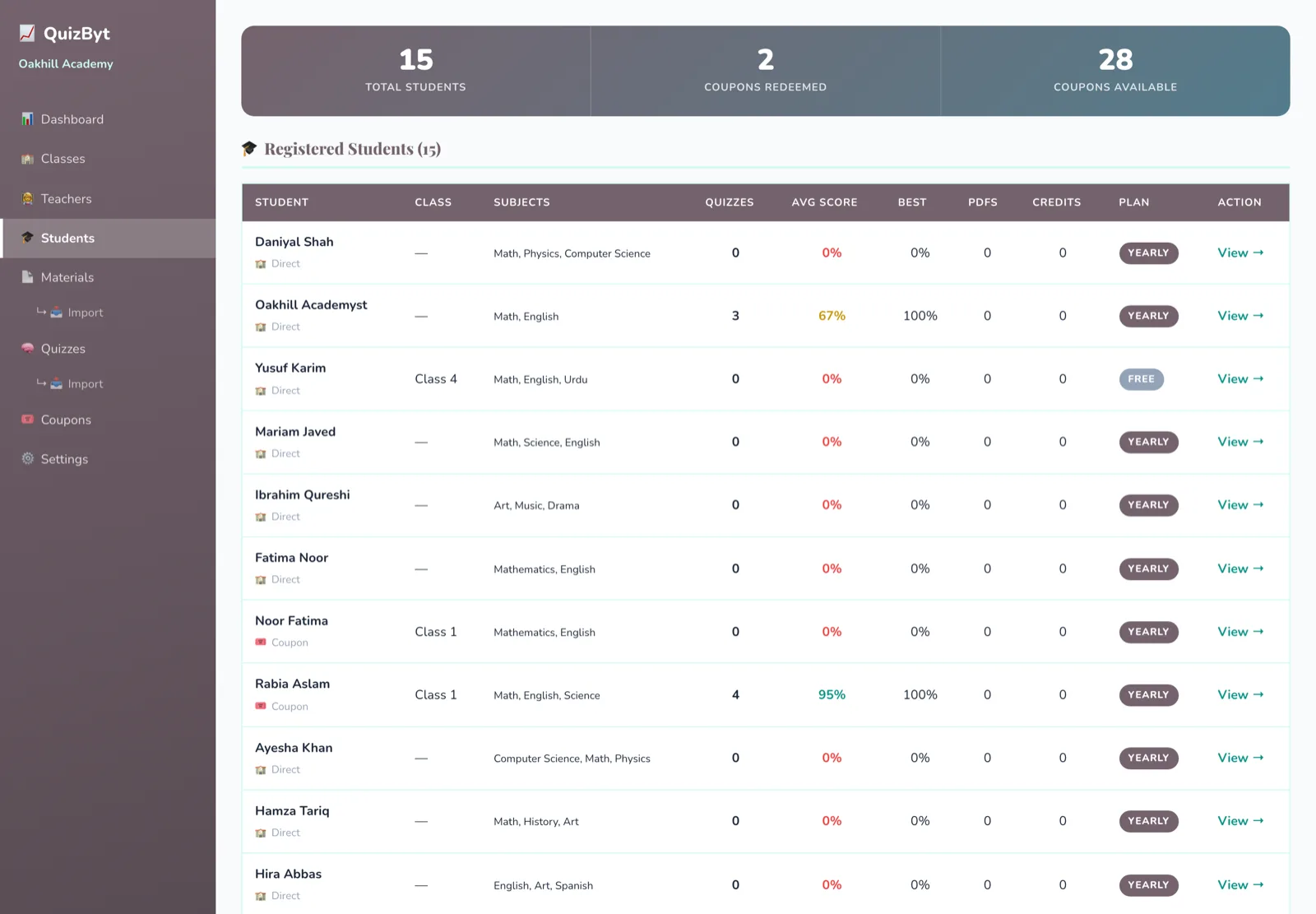 Student Reports That Come From Real WorkA report assembled from assignments a student actually did says something. A report assembled from one end-of-term test mostly measures one afternoon.Read the article →
 Games on a Schedule, Not a Nightly ArgumentThe fight is rarely about games. It is about the fact that the rule is renegotiated every single evening. A rule that is set once and enforced by the device ends the negotiation.Read the article →
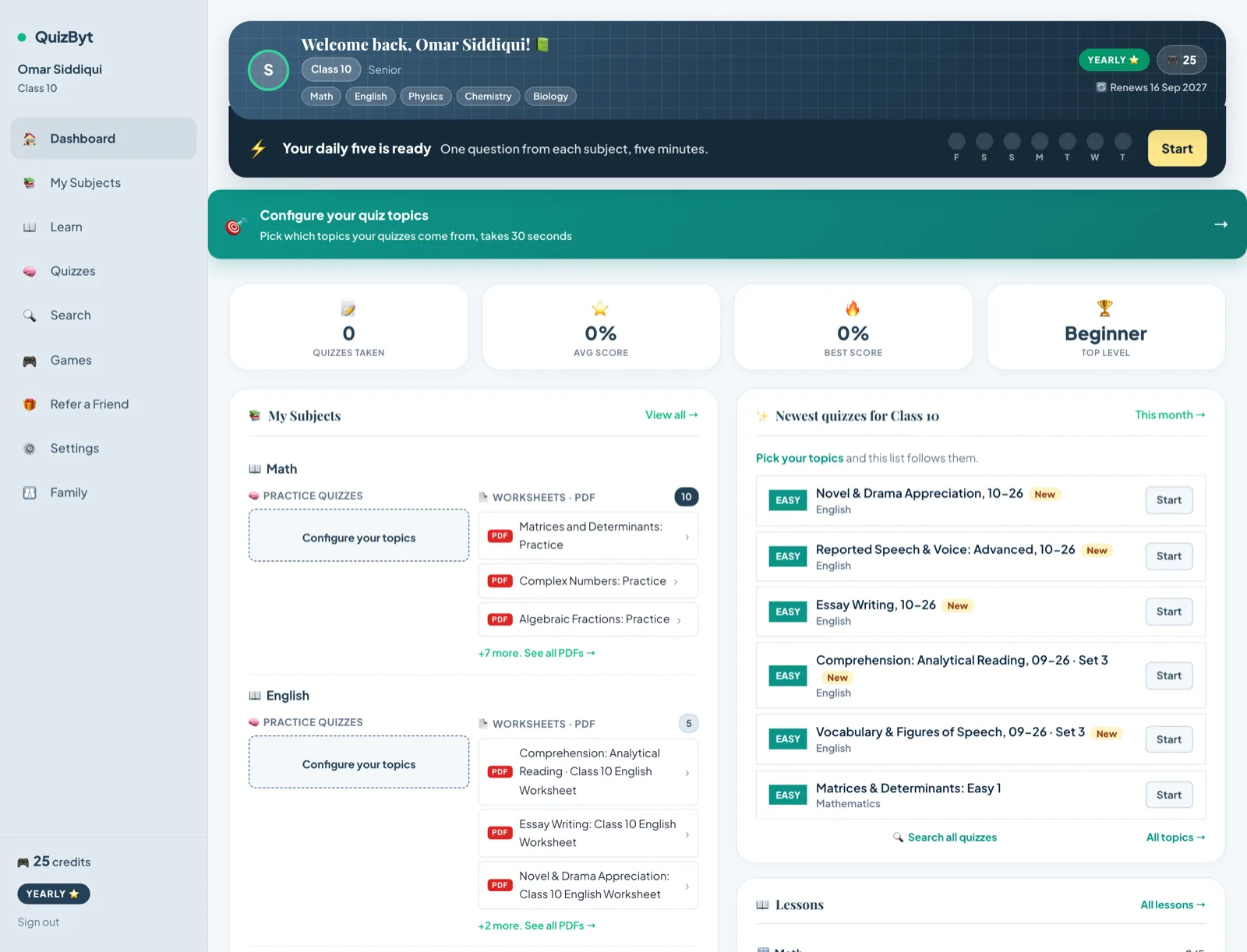 Set It Once, and Then Just Read the ReportMost parents will not log in to a dashboard every week, and a product that assumes they will is designing for a parent who does not exist. Set the rules once; get told what happened.Read the article →What the Monthly Report Actually Tells YouFour numbers and one recommendation. Here is how to read each of them, and which one is the early warning most parents miss.Read the article →Which Subject Is My Child Actually Weak In?Ask a child and you get the subject they dislike. Ask a report and you get the subject that is costing marks. They are frequently not the same one.Read the article →
 Lessons Opened Versus Lessons FinishedThe gap between those two numbers is the clearest early warning a parent gets, and it shows up weeks before scores start to fall.Read the article →
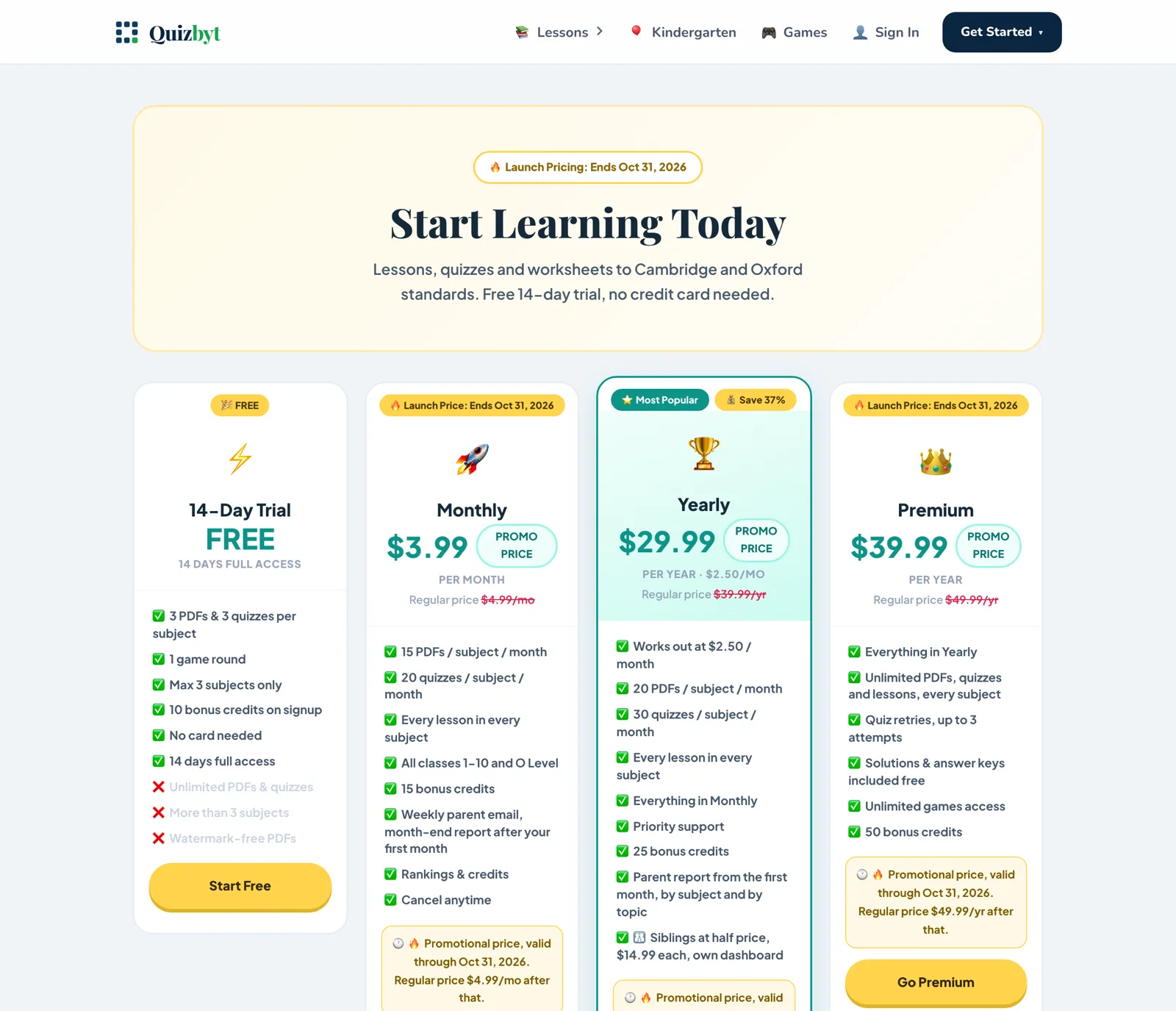 What a Study Platform Costs, and What You Get for ItPlain numbers, no marketing arithmetic: what each plan costs, what it actually includes, and the honest case for when the free trial is enough.Read the article →
 Two Children, One Plan: How Family Accounts WorkSeparate dashboards, separate progress, separate PINs, and the second and third child at half price. What that means in practice for a mixed-age household.Read the article →
 Screen Rules That Survive a TeenagerRules that depend on constant enforcement fail, because enforcement runs out. Rules that are predictable, negotiated once, and enforced by the device survive.Read the article →
 One Platform Instead of Six AppsA quiz app, a worksheet site, a video channel, a games app and a spreadsheet of scores. The problem is not any one of them. It is that nothing connects.Read the article →
 A Parent's Guide to the Kindergarten-to-A-Level JourneyWhat your job is at each stage, and (more usefully) what it stops being. The commonest mistake is running stage two parenting during stage five.Read the article →
 O Level: What Actually Changes, and How to PrepareThe jump to Cambridge O Level is not mainly about more content. It is that memorising worked examples stops being enough, and applying a method to something unfamiliar starts being the whole thing.Read the article →
 Classes 9 and 10: A Board Exam Plan That Starts EarlyBoard exams are the first test of coverage rather than cleverness. The students who do well are rarely the quickest. They are the ones who knew their weak topics in month two.Read the article →
 Classes 4 to 8: When Marks Start to Mean SomethingThis is where most students quietly pick up the study habit that limits them for the next eight years, and where it is easiest to replace.Read the article →
 Classes 1 to 3: The Years That Decide Whether Study Feels SafeAlmost nothing academic that happens between six and nine survives to adulthood. The attitude does. Here is what to actually do with these three years.Read the article →
 The Twenty-Minute Daily Habit That Moves a GradeNot three hours on Sunday. Twenty minutes a day, structured a particular way, across one term, and the reason it works is the gap between the sessions, not the minutes inside them.Read the article →
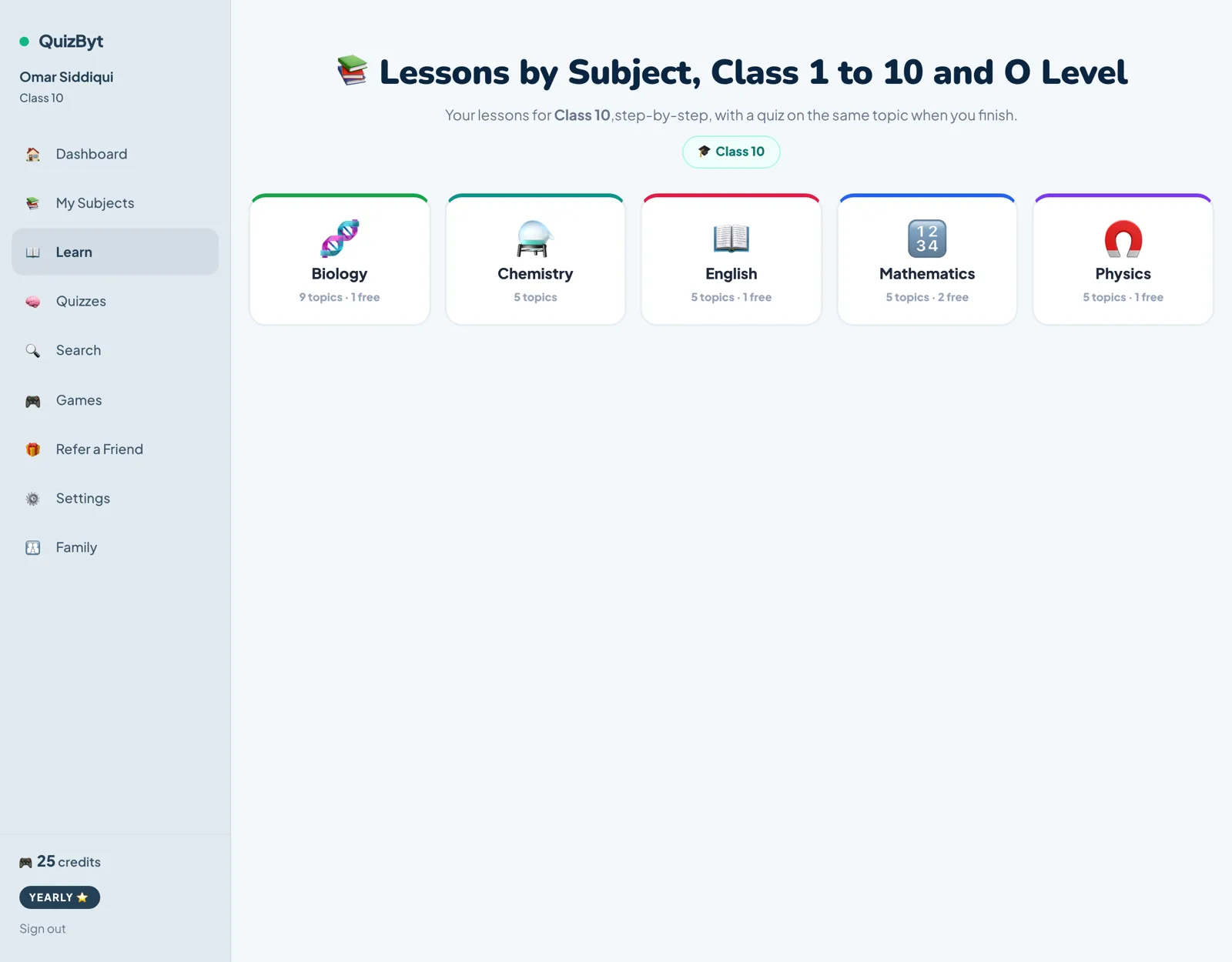 Kindergarten to A Level: The Whole Road, MappedEleven or more years of school, and the thing that has to change at each stage is not how hard a student works but what "studying" actually means. Here is the whole progression in one place.Read the article →
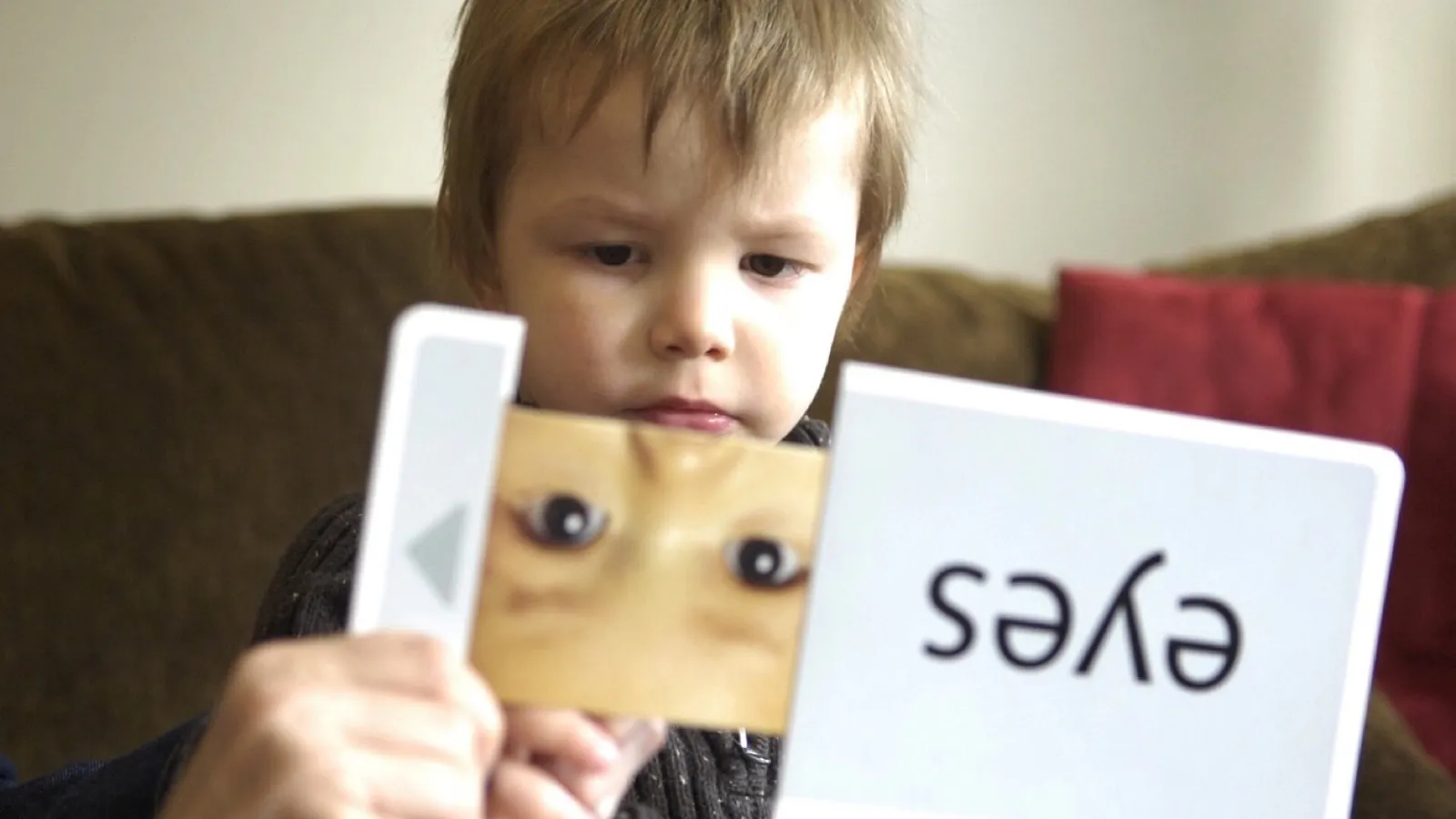 Practice Testing: Why a Quiz Beats Reading the Chapter AgainOf ten common study techniques reviewed across hundreds of studies, only two were rated high utility. Re-reading and highlighting were not among them. Here is what was, and why.Read the article →
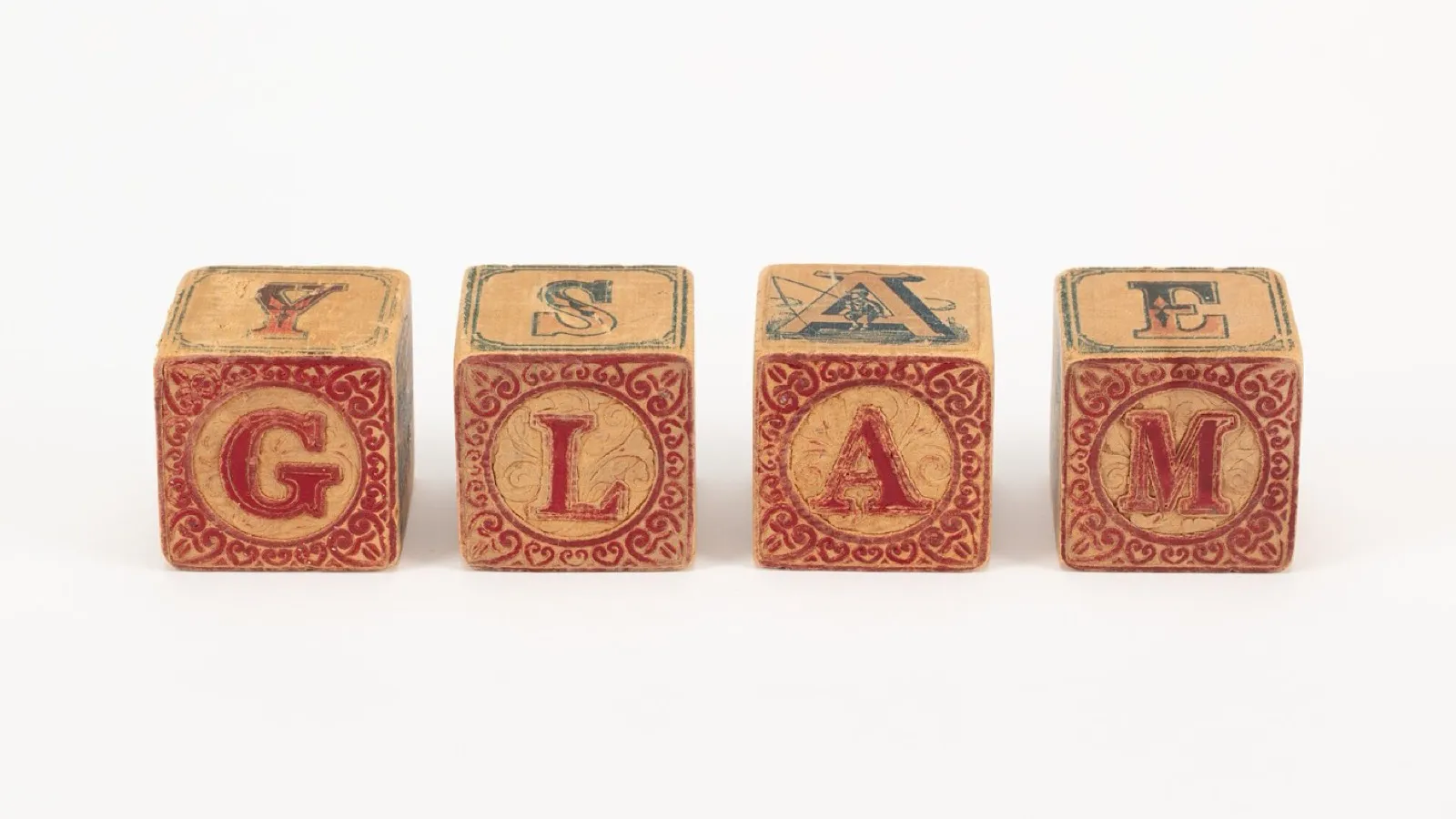 Letter Names or Letter Sounds: Which Should a Child Learn First?A child who knows that letter is called "em" still cannot read "mat". A child who knows it says /m/ can. The distinction sounds academic until you watch a five-year-old get stuck on it.Read the article →
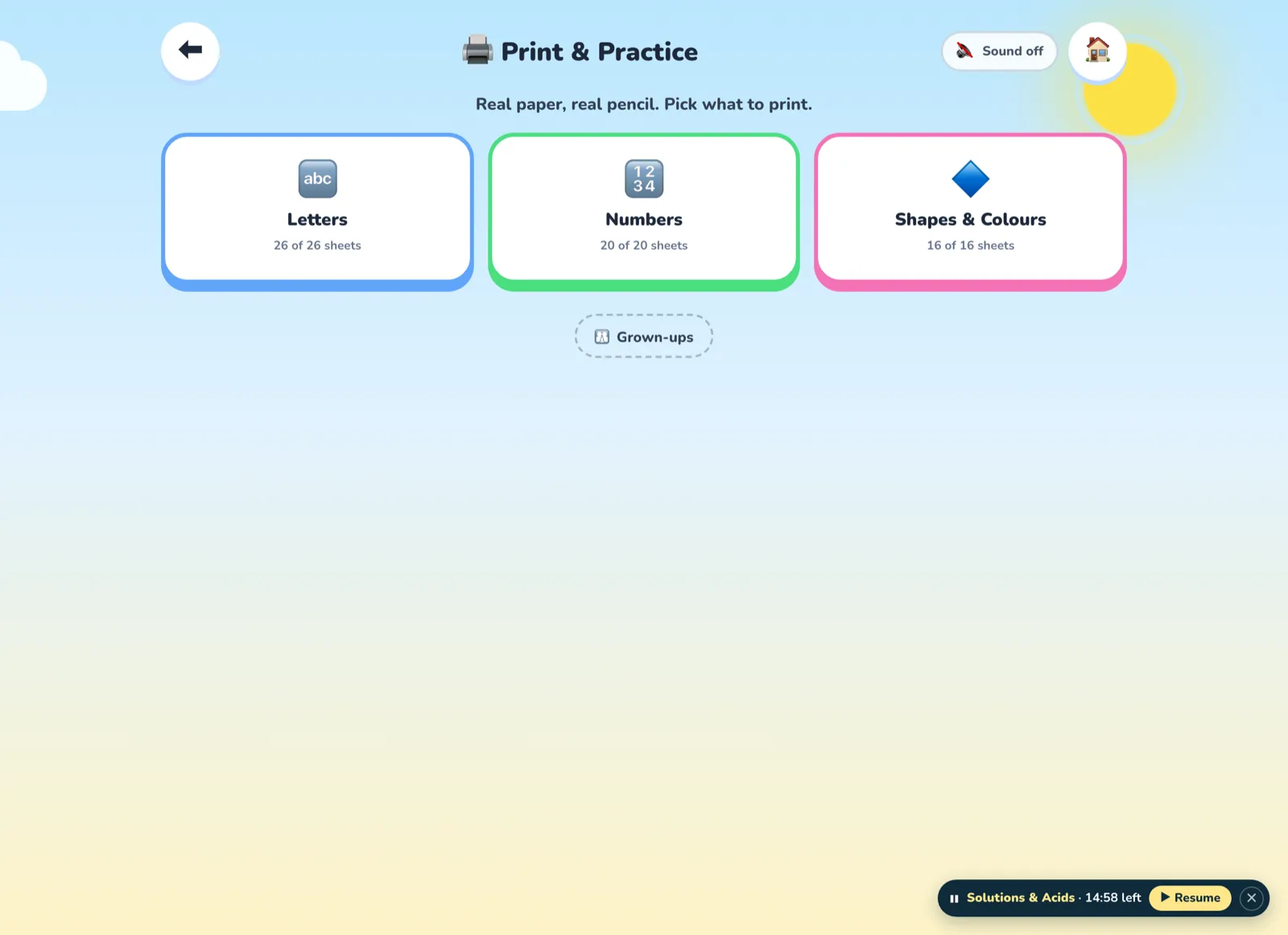 Printable Tracing Worksheets: How to Use Them So They Actually WorkA worksheet is a tool, not a lesson. Handed over with a pencil it teaches very little; used for four minutes in the right way it is the most valuable part of the day.Read the article →
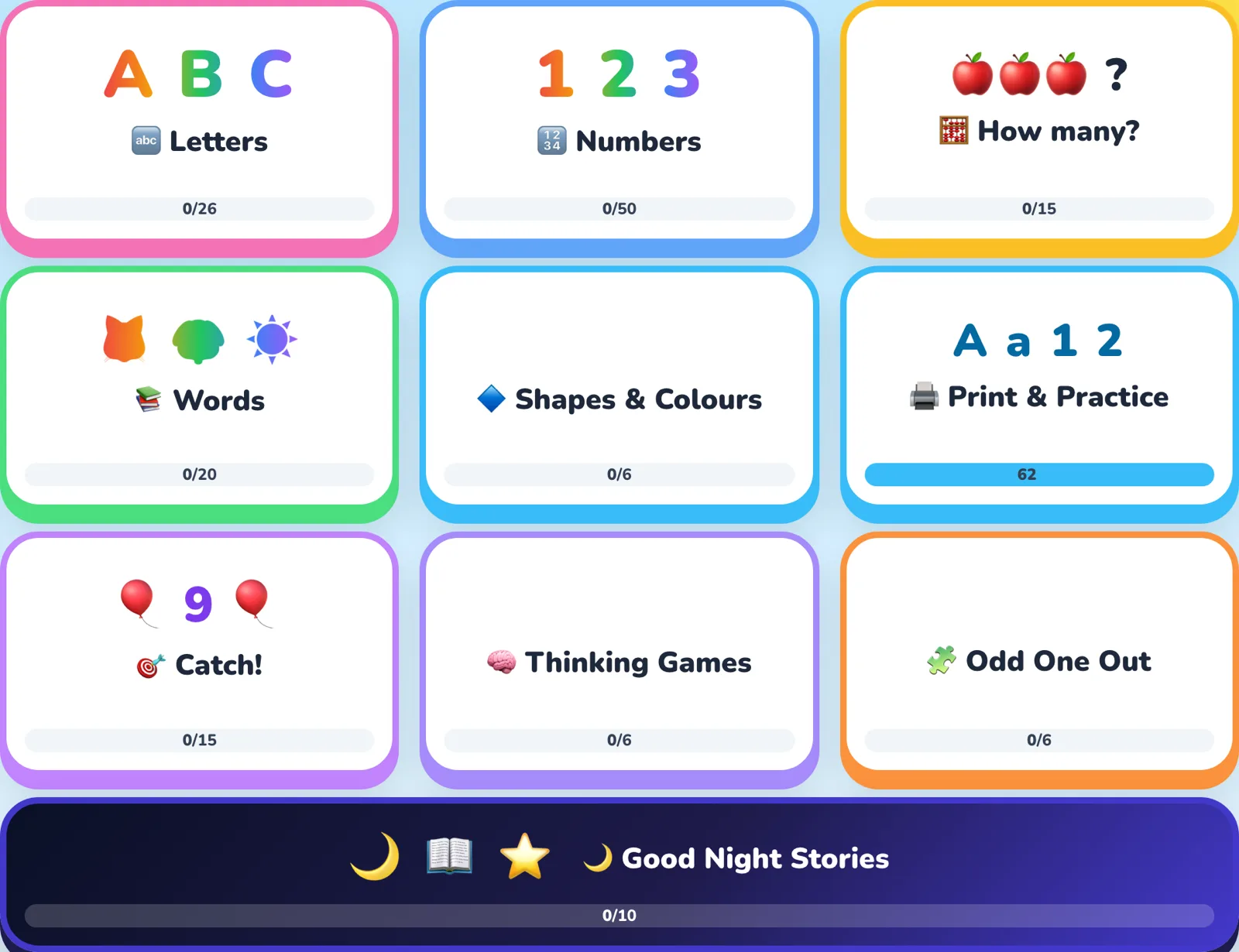 Kindergarten at Home: A Realistic Week for a Two to Six-Year-OldNot a curriculum. A week of ten-minute sessions that covers letters, numbers, shapes and thinking, designed around the attention span a small child actually has.Read the article →
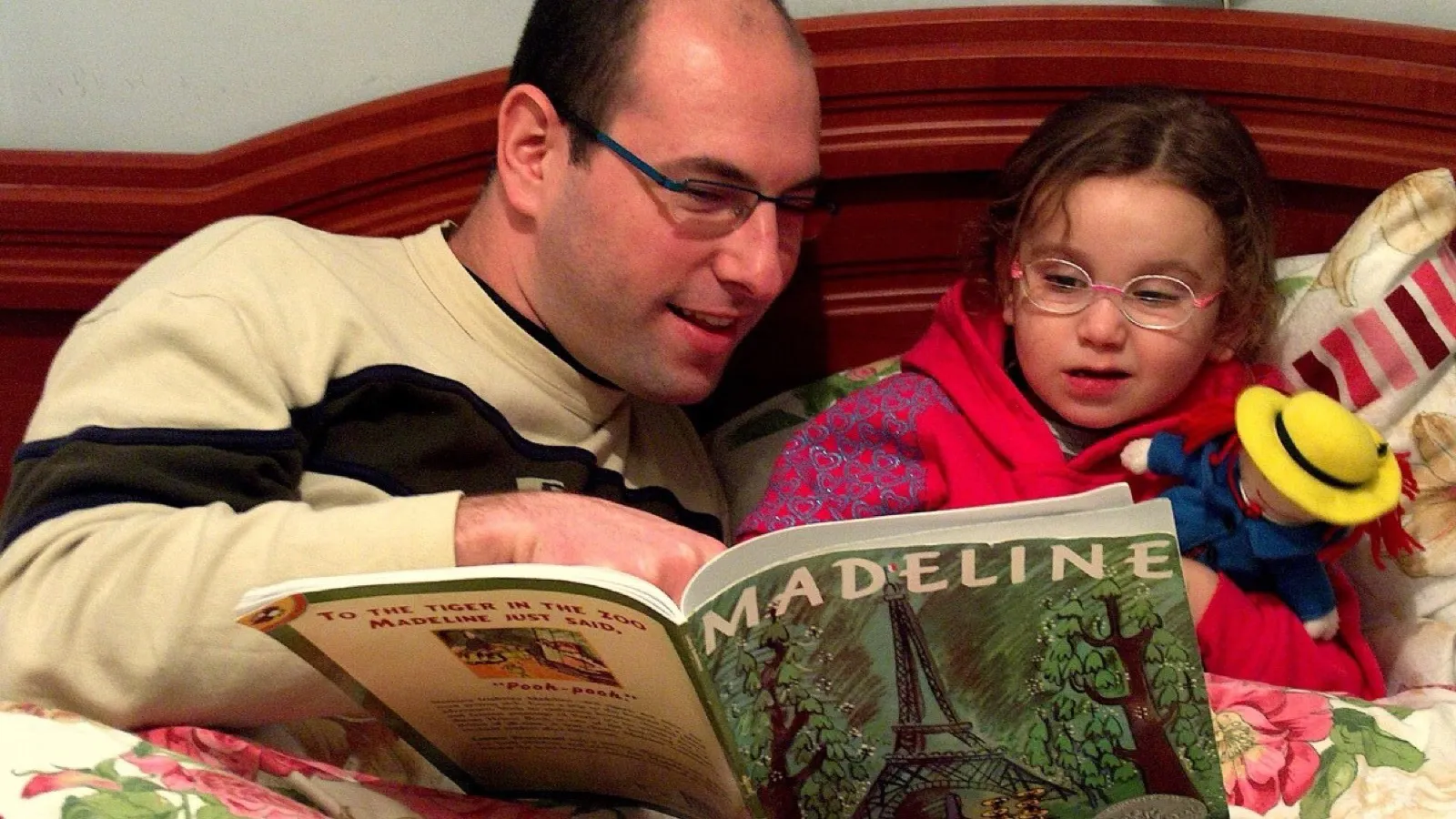 The One Question That Doubles What a Young Child LearnsIt is three letters long, it costs nothing, it works on every subject, and most of us stop asking it the moment the child gets the answer right.Read the article →
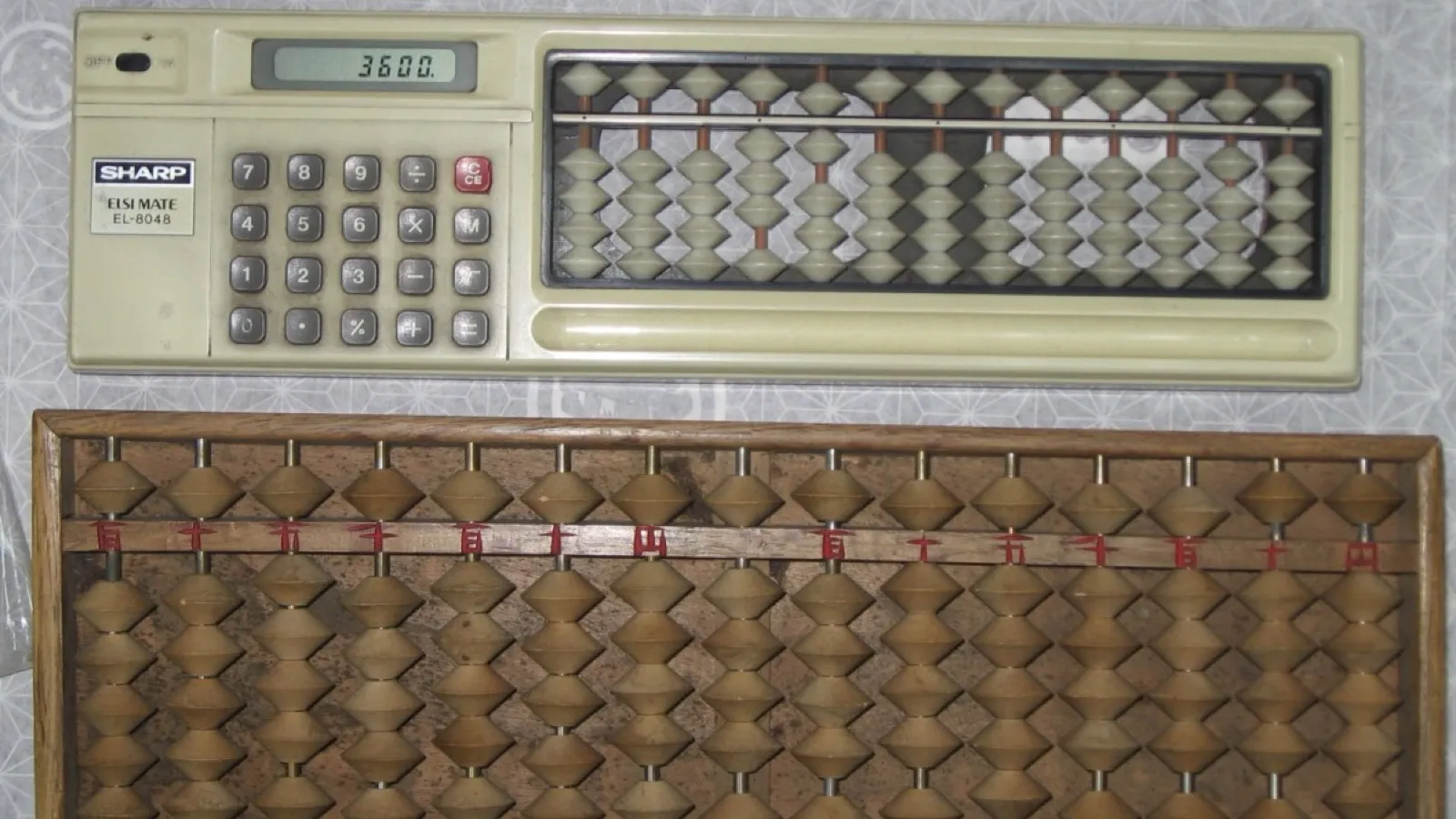 Counting to 20: Why Reciting Numbers Is Not the Same as CountingPlenty of three-year-olds can chant to twenty. Ask them to hand you four biscuits and many will hand you a fistful. The gap between those two things is the whole of early number sense.Read the article →
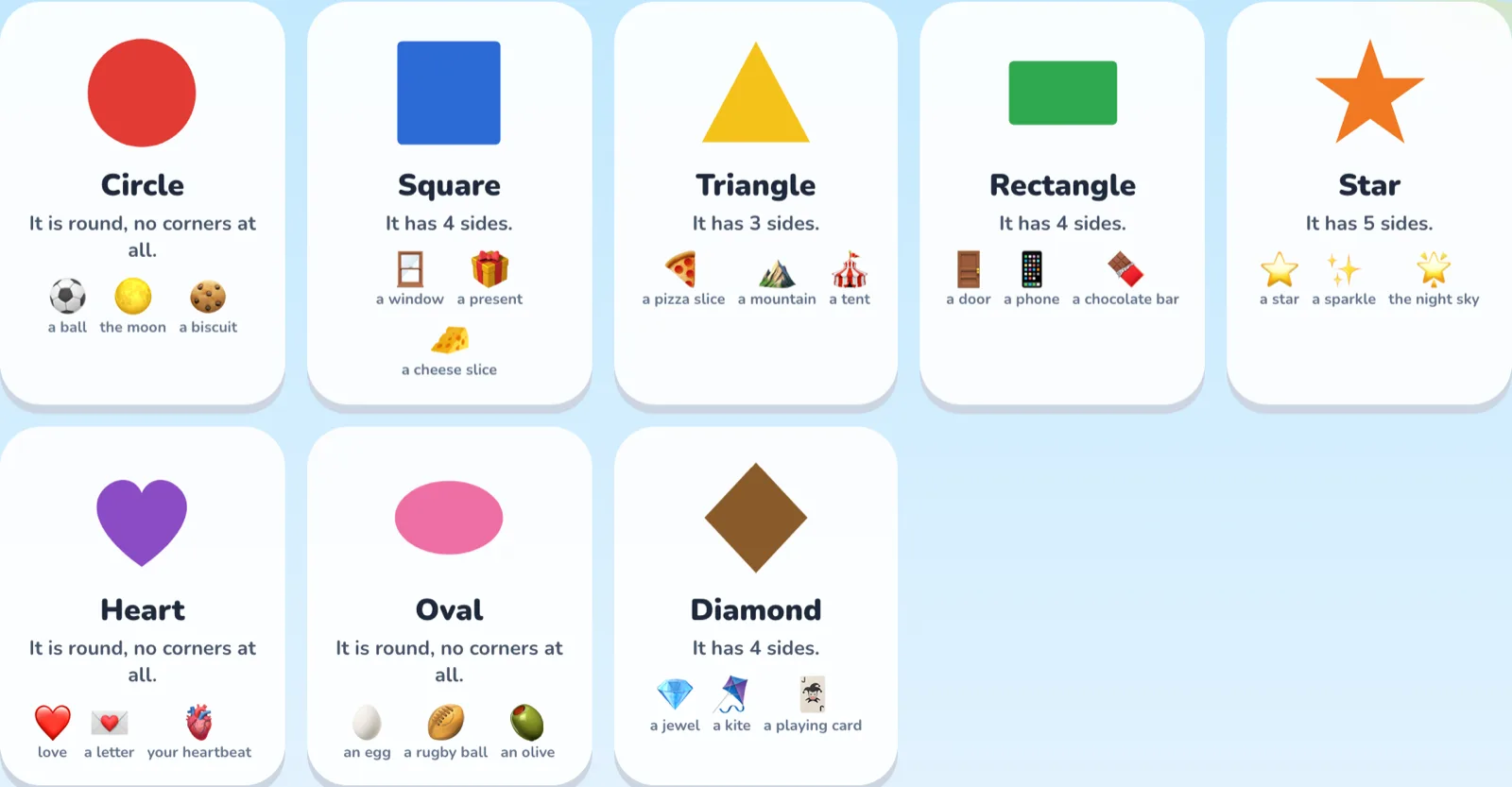 Shapes and Colours: A Toddler's First Sixteen Words of MathematicsCircle, square, triangle, red, blue, yellow. These look like vocabulary. They are actually the labels a child needs before they can describe, compare or sort anything at all.Read the article →
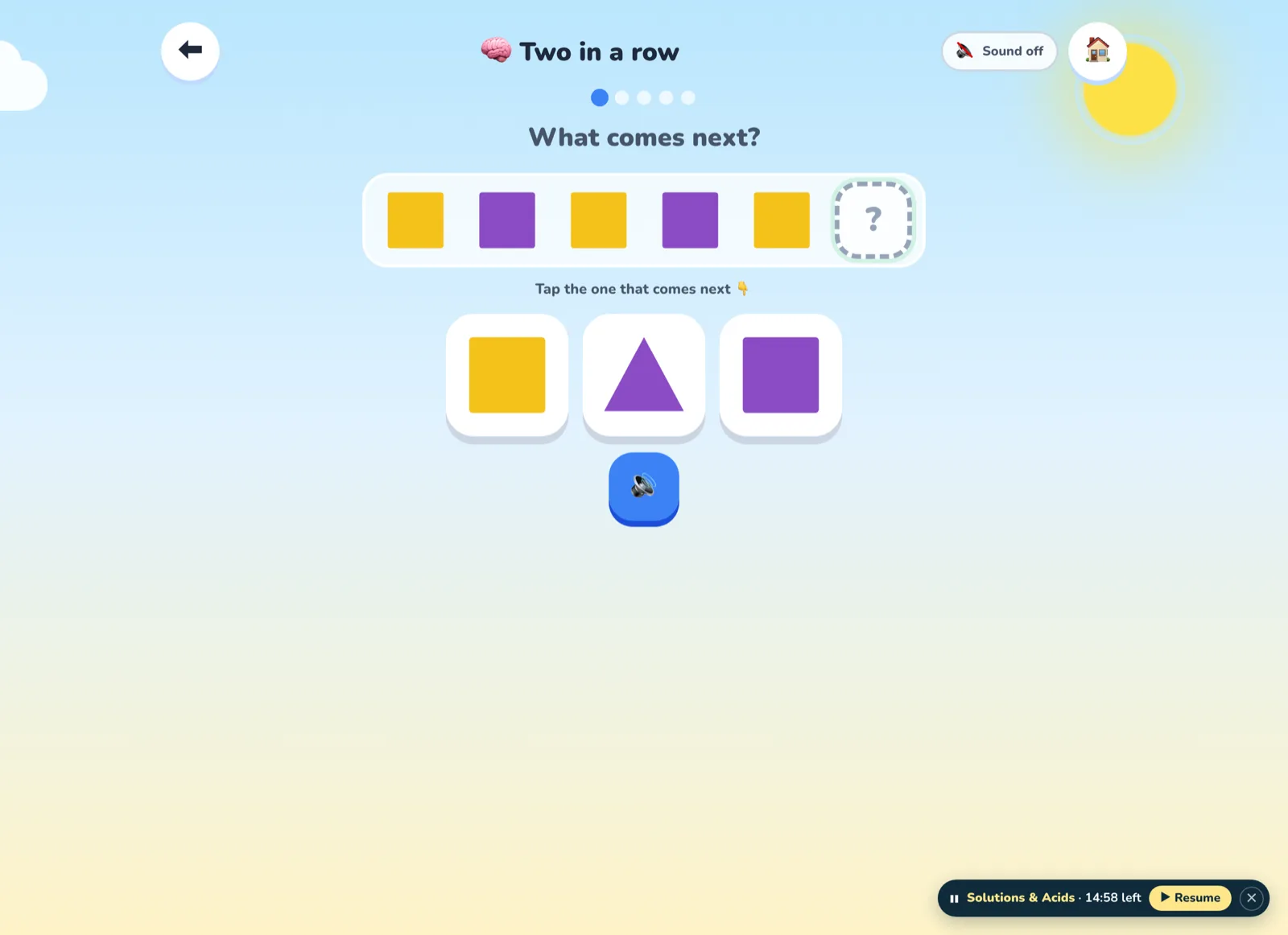 What Comes Next? Patterns Are One of the Strongest Early Predictors of MathsRed, blue, red, blue, … A child who can finish that row is doing something research has repeatedly linked to their mathematics achievement years later. Here is why, and how to practise it.Read the article →
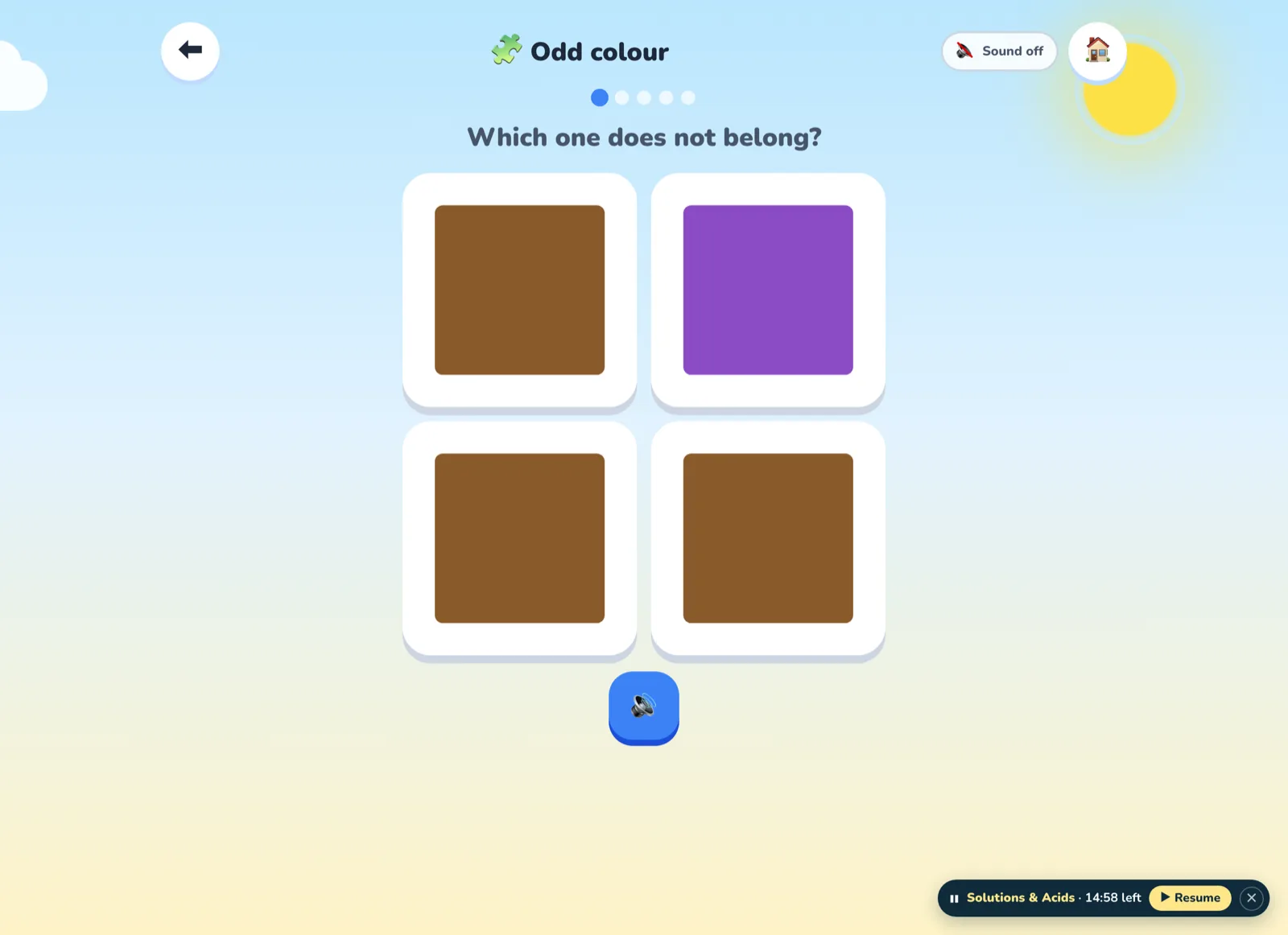 Odd One Out: The Two-Minute Game That Teaches a Three-Year-Old to ReasonFour pictures, one that does not belong. It looks like a puzzle, but it is the first piece of real logical thinking a small child can do, and the learning happens in the answer to "why?", not the tap.Read the article →
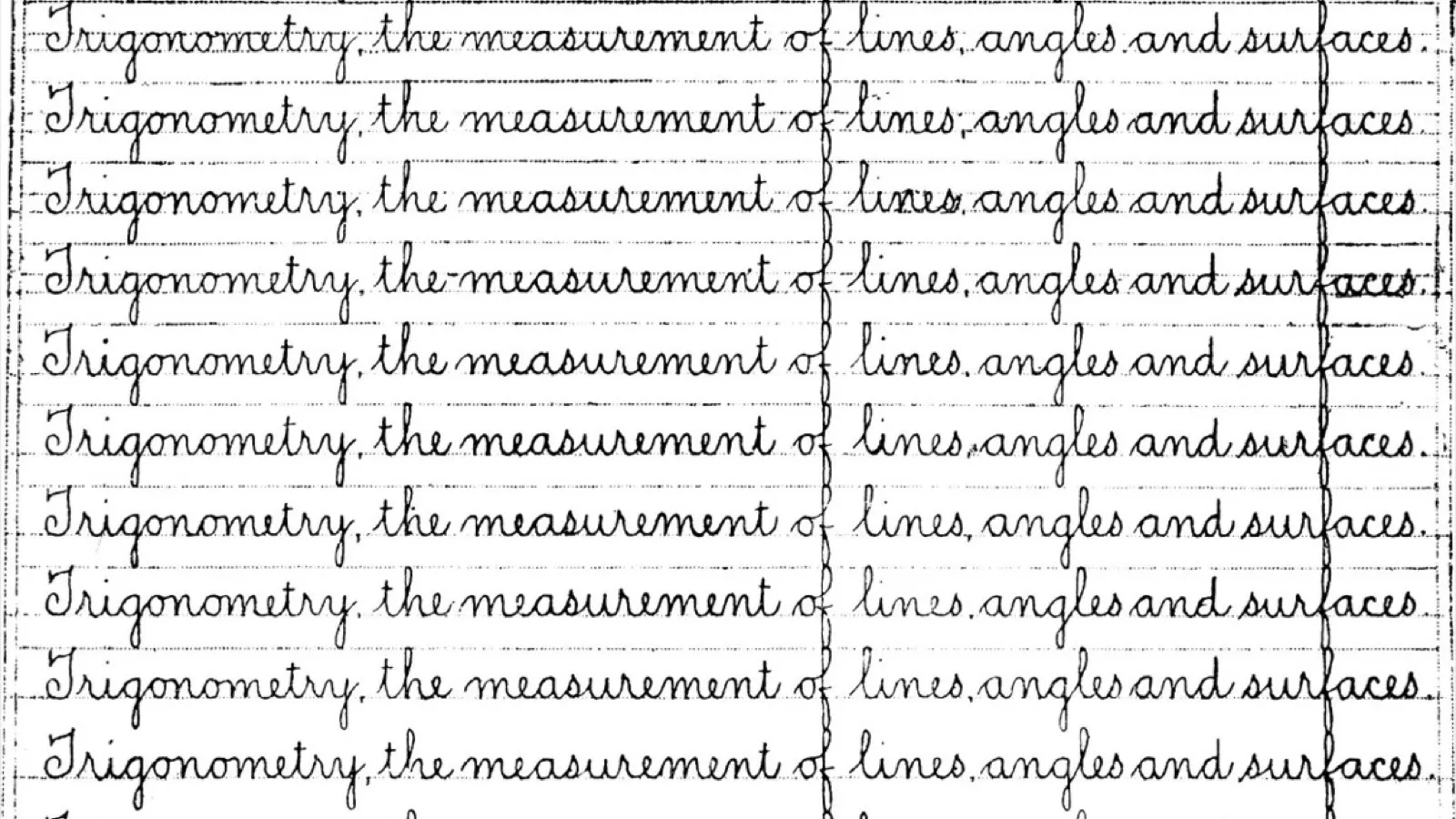 Letter Formation: Why the "a" in Most Learning Apps Is the Wrong ShapeAlmost every app shows children a two-storey "a", the one you are reading now. Almost no school teaches children to write it. Here is why that mismatch matters and what to look for instead.Read the article →
 Screen Tracing vs Pencil on Paper: What the Brain Research Actually ShowsA finger on glass and a pencil on paper are not the same activity. The research is clearer than most app marketing admits, and it points to using both, in a particular order.Read the article →
 Screen Time Under Six: What the Research Actually SaysThe honest summary is not "screens are bad" or "screens are fine". It is that almost everything depends on what is on the screen and whether an adult is sitting there, and the size of that second effect is startling.Read the article →
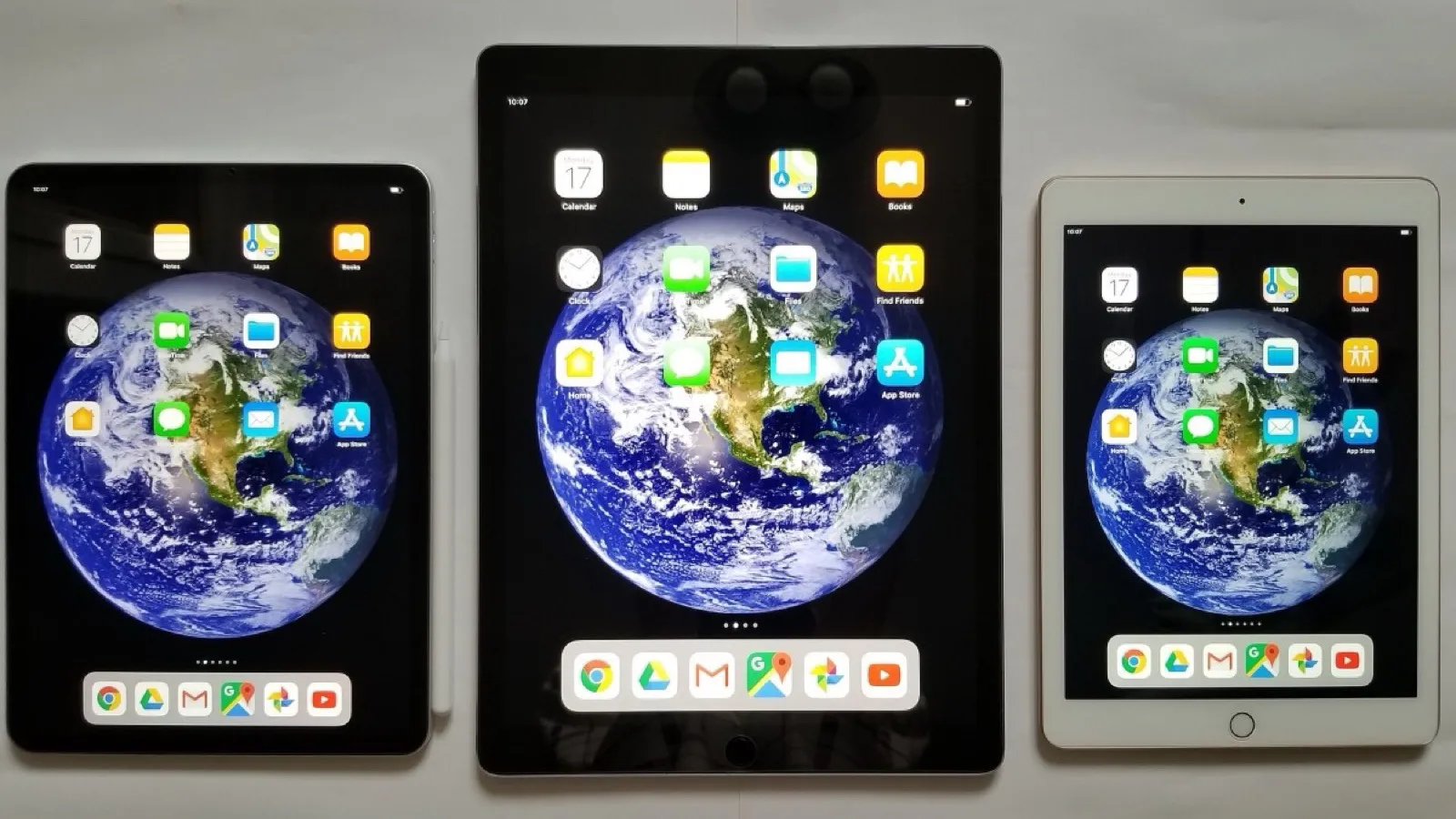 How to Judge a Learning App for a Four-Year-Old: Seven TestsEvery app in the education category says it is educational. Seven checks, none of which take more than a minute, will tell you whether this one is built for your child or for your attention.Read the article →
 Games That Make Kids Think: Puzzles, Memory and Logic as HomeworkNot every game is a waste of time. Some train exactly the skills schoolwork runs on, working memory, planning, deduction. Here are the kinds worth a place in the study routine, and why.Read the article →
 "No Phone Until Fifteen": The Case For and Against a Total BanSome parents keep devices away from children entirely. They have good reasons, and they are missing something. An honest look at both sides, and a middle path that keeps the benefits of each.Read the article →
 Screen Time That Teaches: Turning the Gadget Into the ClassroomNot all screen time is the same. Twenty minutes of a lesson that talks back is not twenty minutes of videos autoplaying. A practical guide to the difference, and how to tip the balance at home.Read the article →
 Read-Aloud Quizzes: Why Listening Beats Reading for Early LearnersA quiz a Class 1 child has to read is really two tests at once. A quiz that reads itself aloud tests the one thing you care about: does the child know the answer?Read the article →
 Five-Minute Lessons: A Realistic Study Day for a Class 2 ChildForget the hour-long study session. Here is a day of interactive learning for a seven-year-old that actually fits a real family, and why short beats long at this age.Read the article →
 Learning by Ear and Eye: How Audio and Pictures Teach a Six-Year-OldA child in Class 1–3 is still learning to read. Lessons that are spoken aloud and shown in pictures reach them years before text can. Here is why, and how to use it at home.Read the article →
 The Community's Job: Raising Digital Learners TogetherA child's relationship with screens is shaped by parents, teachers, schools and friends, not by one rule at one kitchen table. What each of them can do, and how a shared platform makes it easier.Read the article →
 Why a Child's Engagement With Digital Devices Matters, and Where Parents Should LookChildren will spend their working lives with screens. The question was never whether they use devices, but whether they learn to use them as tools or get used by them. Here is what to watch.Read the article →
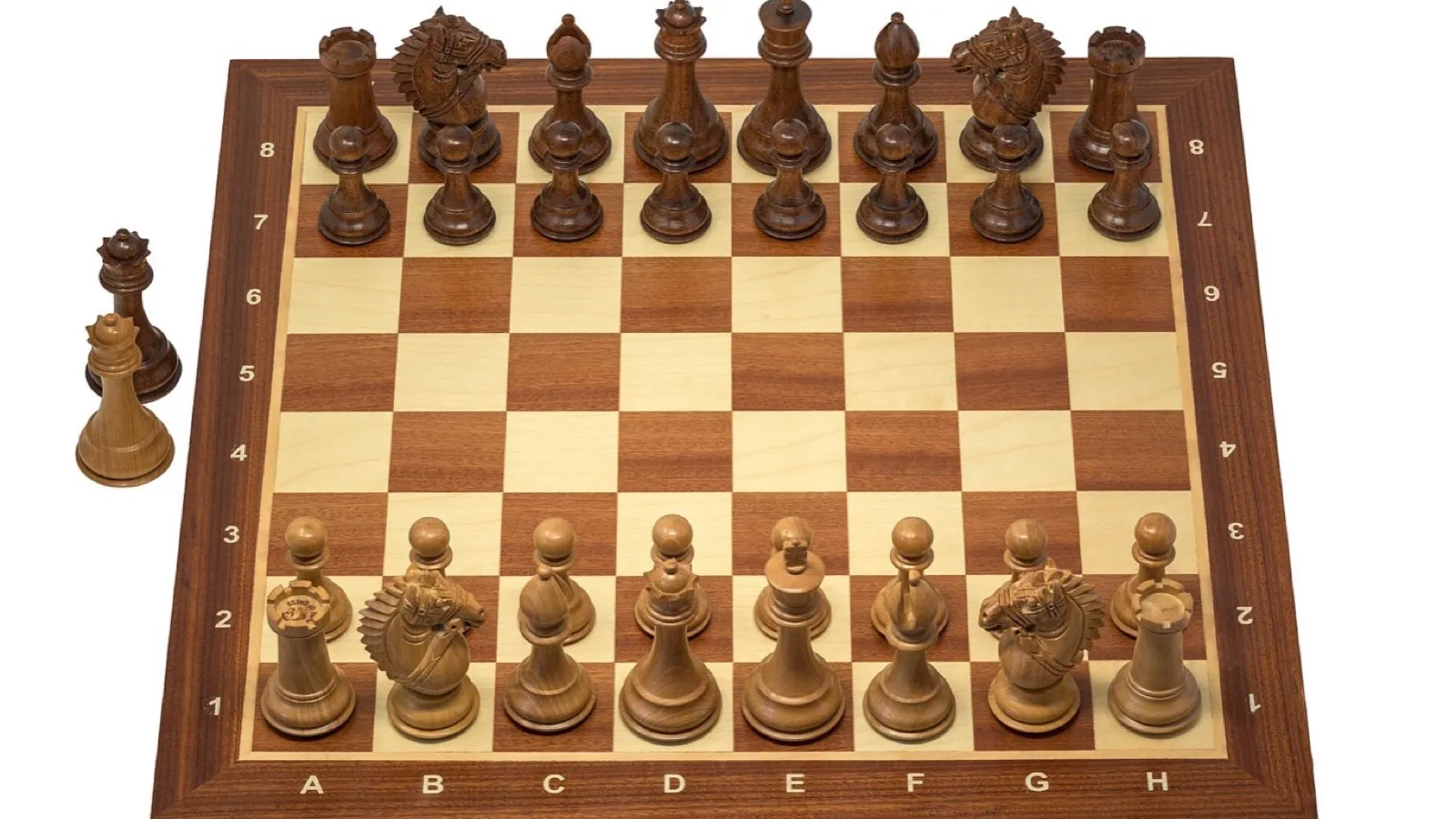 AI Gives Answers. Who Trains the Mind? A Parent's Duty in the Age of ChatGPTA child can now get any answer in seconds. That is genuinely useful, and it is also the fastest way ever invented to skip the thinking that school is for. What parents and communities must offer instead.Read the article →
 Why Kids Drift From Studies to Gadgets, and What Actually Pulls Them BackIt is not laziness. A phone game gives a child something a textbook never does: instant feedback, visible progress and a next step that is always just right. Here is how to give studying the same pull.Read the article →
Try it with your child
Lessons that talk, quizzes that mark themselves, games that make kids think
QuizByt is matched to your child's class. Classes 1–10 and Cambridge O Level. Every subject opens with a free lesson, quiz and worksheet, no account needed.