
Odd One Out: The Two-Minute Game That Teaches a Three-Year-Old to Reason
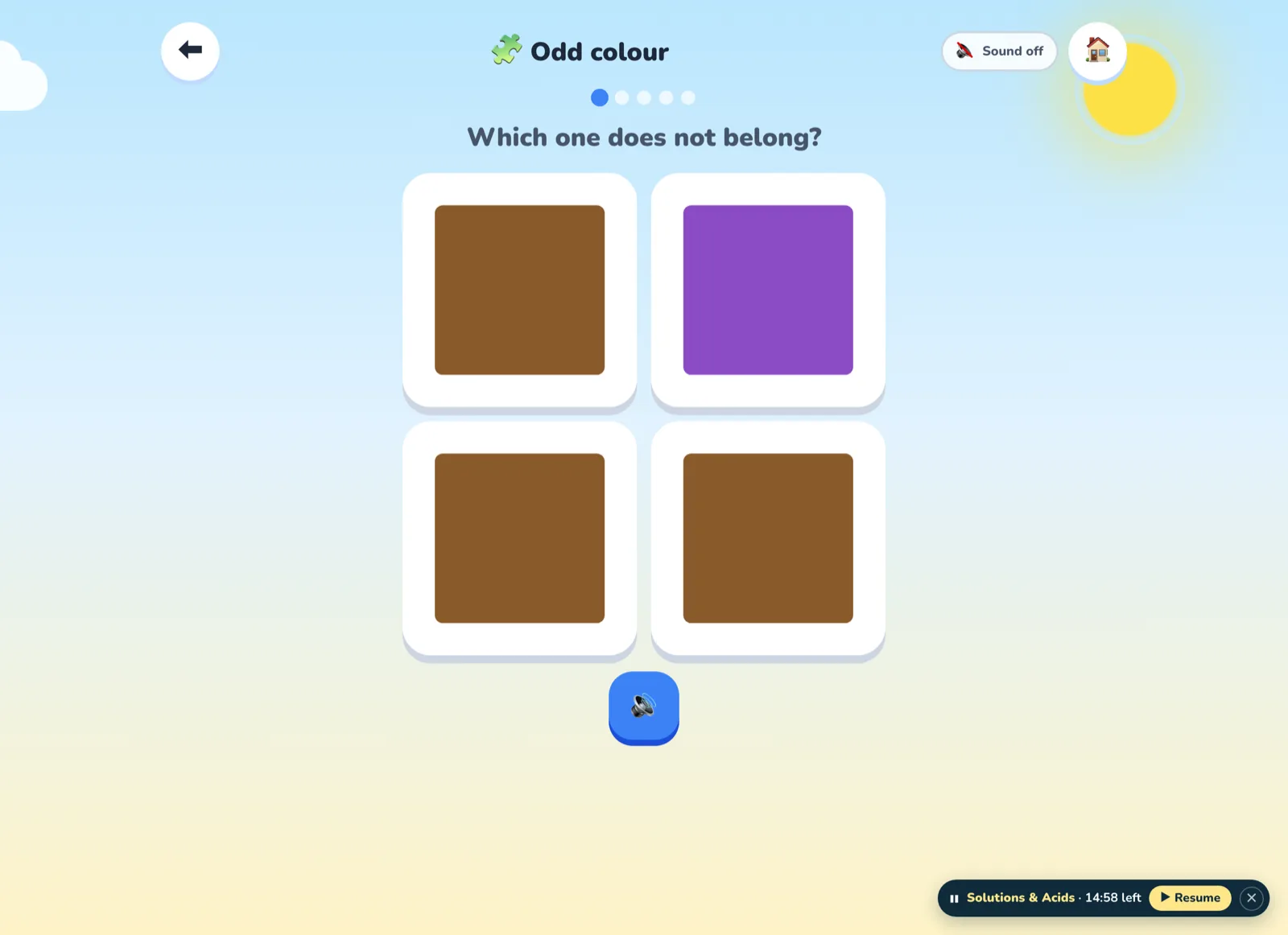
Four pictures, one that does not belong. It looks like a puzzle, but it is the first piece of real logical thinking a small child can do, and the learning happens in the answer to "why?", not the tap.
The short version
- Odd one out teaches categorisation: the child has to work out what three things share before they can spot the fourth that does not.
- The learning is in the explanation, not the tap, a child who says "because the others are red" has reasoned; a child who only points has guessed.
- Good puzzles vary exactly one property at a time, so there is only one defensible answer.
- Two minutes is a full session for a three-year-old; stop while they still want more.
Put four cards on the table: three red circles and one blue circle. Ask a three-year-old which one does not belong. The tapping takes a second. What happens in the two seconds before it is what matters.
To answer, the child has to do something genuinely difficult. They have to look at three separate objects, work out what those three have in common, hold that shared property in mind as a rule, and then test the fourth object against it. That is categorisation, and it is the foundation of every sorting, grouping and classifying task they will meet for the next fifteen years.
Why this is real thinking, not a puzzle
Adults solve odd-one-out instantly and so assume it is trivial. It is not. A two-year-old's default is to compare things one at a time. This one and that one. Odd one out demands comparing one thing against a group, which needs the group to exist in their head as a single idea first.
Early years educators consistently place this game among the highest-value cognitive activities for preschoolers because it forces that jump. Empowered Parents makes the point that matters most: while playing, ask the child to give a reason for their choice and to say what the other items have in common. The discussion is the activity. The tapping is just how they tell you their answer.
The reason is the lesson
Here is the difference between two children who both got it right:
- Child A points at the blue circle. Asked why, they shrug.
- Child B points at the blue circle and says "because those ones are red."
Child A may have guessed, or noticed something irrelevant, or simply liked that one. Child B has stated a rule. Only Child B has practised reasoning, and only Child B will transfer the skill to a puzzle they have not seen before.
This is why every correct answer in our own Odd One Out game is followed immediately by the reason, said out loud and left on screen: "Yes! The other three are red." The three that belong dim slightly so the grouping is visible while the reason is being said. Then the game asks the child to say it back. It would be much simpler to play a chime and move on, and it would teach much less.
One property at a time, or the puzzle is unfair
A badly built odd-one-out puzzle is worse than none. Show a child a big red square, a small red square, a big blue square and a big red circle, and there are three defensible answers. A child who picks the small one has reasoned perfectly well, and gets told they are wrong.
That is a genuinely damaging experience at this age, because the lesson the child takes away is not "I chose the wrong one", it is "my thinking cannot be trusted." So good puzzles vary exactly one thing:
- Colour only: every shape identical, one colour different. The easiest, and the right starting point at two or three.
- Shape only: every colour identical, one shape different.
- Size only: same shape, same colour, one noticeably smaller.
- Category: three shapes with corners and one that is round. Much harder, because all four look different and the child has to find the hidden property. Around five.
We build our rounds in exactly that order, and the early rounds are generated so that the other two properties are held constant by construction, not by luck. A four-tile puzzle where two answers can both be argued is a puzzle that teaches a child their reasoning was wrong when it was not.
How long a session should last
Two to four minutes. Five puzzles is plenty. A three-year-old's productive attention on one demanding task runs out fast, and odd one out is demanding even when it looks like play.
Stop while they are still enjoying it. The single most reliable predictor of whether a child asks to play again tomorrow is whether today ended well, not how long it lasted. This is the same logic behind the short daily routine we recommend for this age generally.
What it leads to
Categorisation and sequencing are the two halves of early logic. Odd one out asks what breaks a group; patterns ask what continues one, and children's patterning ability at the end of preschool turns out to be one of the strongest known predictors of their mathematics achievement years later. A child who can do both is doing the groundwork for sorting, classifying, set theory, and every "which of these does not fit the rule" question in every exam they will ever sit.
They just think they are playing a game about circles.
Where to play it
Odd One Out is part of the QuizByt Kindergarten playground, alongside letter and number tracing, counting, shapes and colours, and the patterns game. Everything is built for a child who cannot read yet: big tap targets, an optional read-aloud voice, nothing timed and nothing that says "wrong". The first round is open with no account at all, try it here.
Questions parents ask
At what age can a child play odd one out?
Around two and a half to three, if the puzzles vary only one obvious property such as colour. Most children can handle shape and size differences by four, and category differences such as "things with corners" by five.
What skills does the odd-one-out game build?
Categorisation, visual discrimination, comparison and early reasoning, the child has to hold three things in mind, find what they share, and test the fourth against it.
Should I tell my child the answer if they are stuck?
Not straight away. Ask what is the same about two of them first. If they are still stuck after a second try, show them and say the reason out loud, a child who is guessing has stopped learning.
Is there a free odd-one-out game online for kids?
Yes. The QuizByt Kindergarten playground has one at app.quizbyt.com/kids/odd with the first round open to everyone, no account needed.
Responses
Sign in to join the conversation. Responses are open to people with a QuizByt account, which is how we keep this a place you would let your child read.
Loading responses…
Lessons that talk, quizzes that mark themselves, games that make kids think
QuizByt is matched to your child's class. Classes 1–10 and Cambridge O Level. Every subject opens with a free lesson, quiz and worksheet, no account needed.
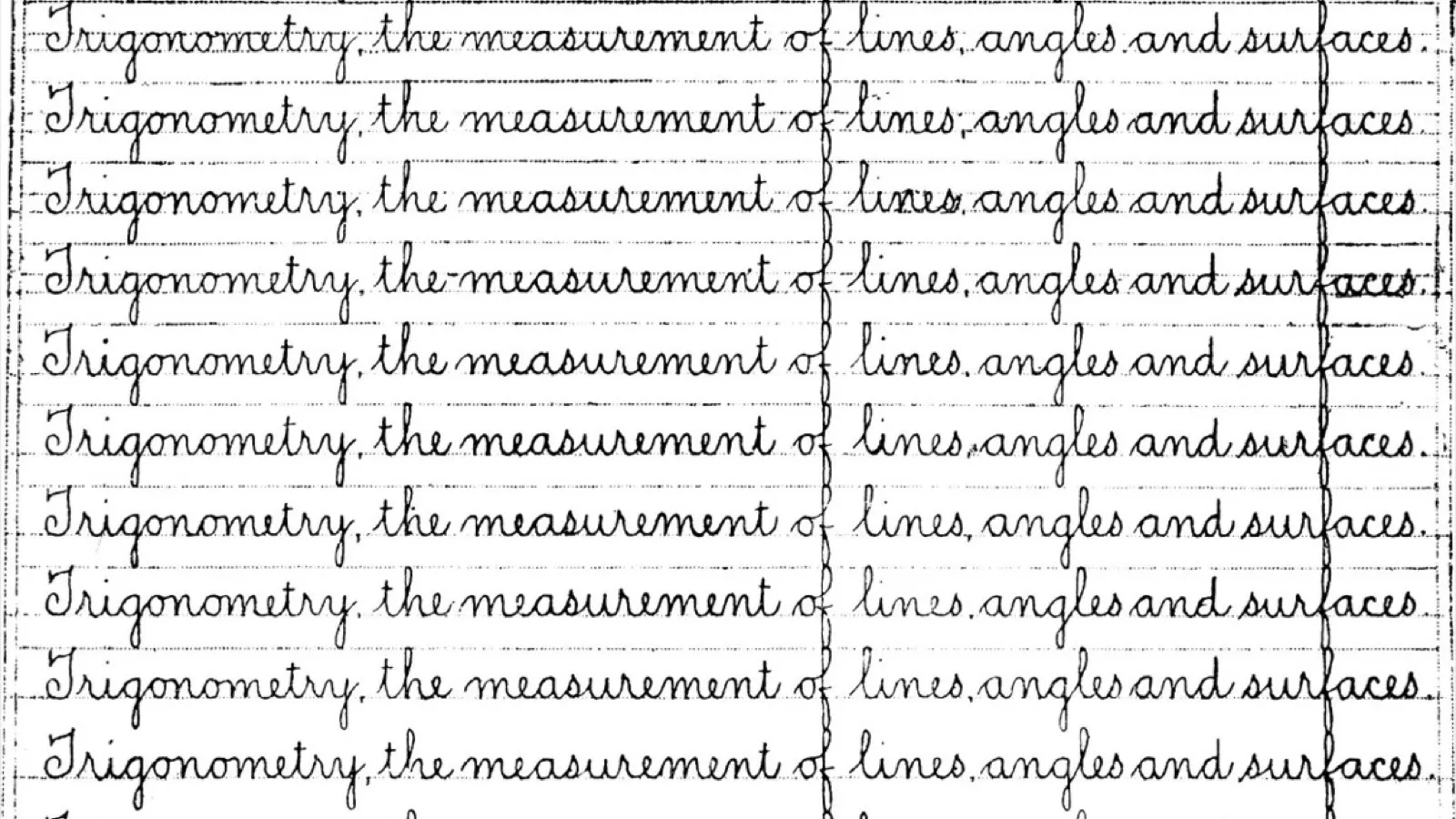 Letter Formation: Why the "a" in Most Learning Apps Is the Wrong ShapeAlmost every app shows children a two-storey "a", the one you are reading now. Almost no school teaches children to write it. Here is why that mismatch matters and what to look for instead.Read the article →
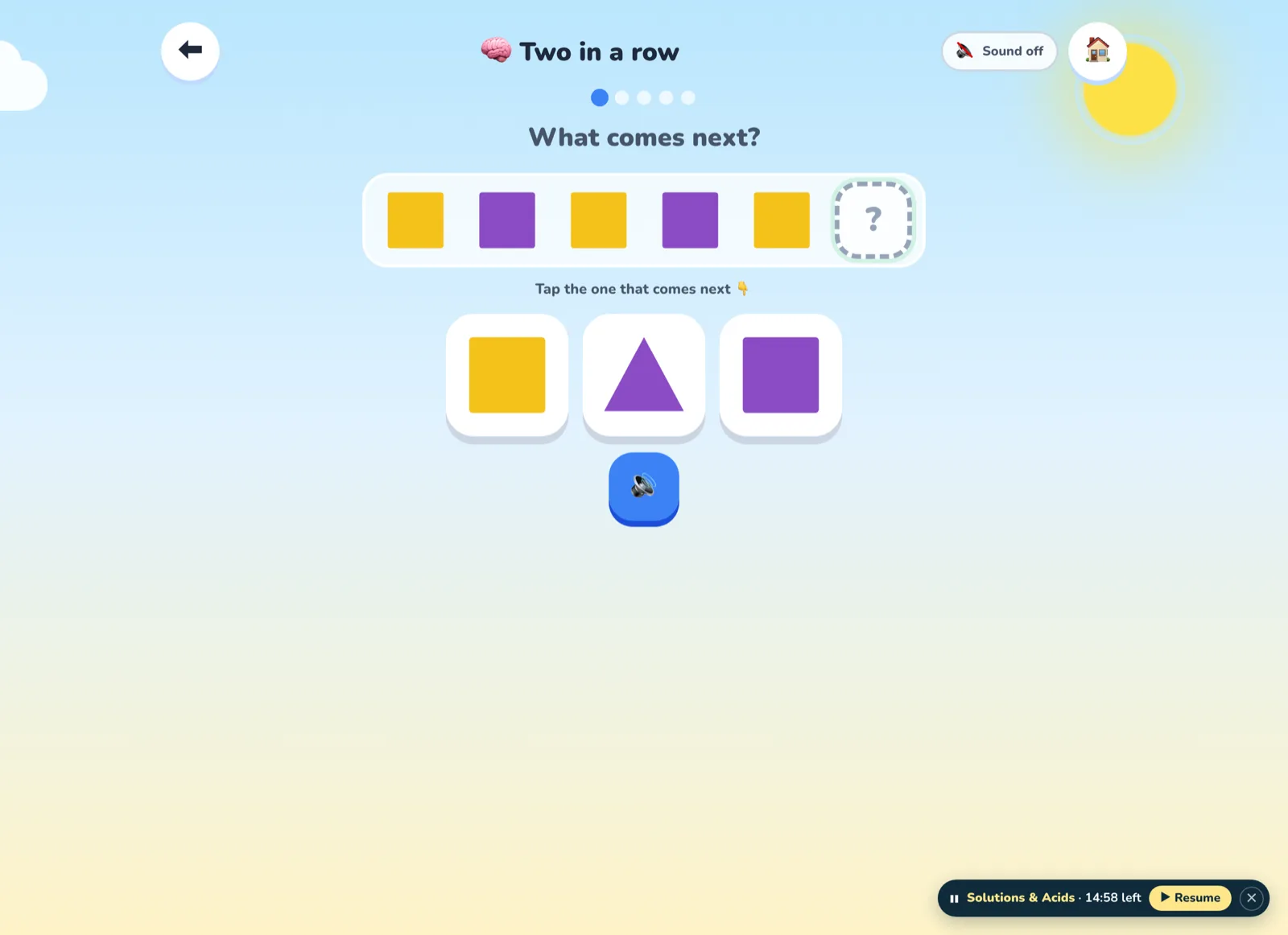 What Comes Next? Patterns Are One of the Strongest Early Predictors of MathsRed, blue, red, blue, … A child who can finish that row is doing something research has repeatedly linked to their mathematics achievement years later. Here is why, and how to practise it.Read the article →
 Five Levels Per Game: Why Class 2 and O Level Play the Same Game DifferentlyEvery game has a five-rung ladder, and the rungs bend by age. A seven-year-old gets twice the time and a lower pass mark on level one; an O Level student does not. Here is the design.Read the article →