
Kindergarten to A Level: The Whole Road, Mapped
Eleven or more years of school, and the thing that has to change at each stage is not how hard a student works but what "studying" actually means. Here is the whole progression in one place.
The short version
- Each stage needs a different definition of studying: play, then practice, then retrieval, then independent synthesis.
- The two study techniques with the strongest evidence (practice testing and spaced practice) work at every stage from Class 1 upward.
- Most students do not fail a stage because it is hard; they fail because they carry the previous stage's method into it.
- The skill that has to be built before Class 9 is self-testing, because from board exams onward nobody supervises the revision.
A five-year-old tracing the letter "a" and a seventeen-year-old planning an A Level essay look like they have nothing in common. They are on the same road. What changes between them is not effort. It is what the word "studying" is supposed to mean at that moment, and the commonest reason a student stalls is that they are still studying the way that worked two stages ago.
Stage 1: Kindergarten to Class 1: learning is play, and that is not a compromise
At two to six, the work is vocabulary and the physical skills underneath literacy: letter formation, counting objects rather than reciting numbers, naming shapes and colours, and the first pieces of logic. None of it looks like study and all of it is load-bearing.
The one thing worth protecting here is that the child ends every session wanting more. A child who associates learning with conflict at five is carrying that to sixteen. Our Kindergarten playground exists for this stage, and the reasoning behind each part of it is set out in the week-by-week plan.
Stage 2: Classes 1 to 3: reading catches up with thinking
Children in this band can understand far more than they can read. That gap is the defining fact of the stage, and it is why lessons that are read aloud reach them years before text does, the argument is in learning by ear and eye.
The habit to build: finishing things. One short lesson, one quiz, one worksheet, completed, not started.
Stage 3: Classes 4 to 8: marks start to mean something
This is where studying becomes a skill rather than an activity, and where most students quietly acquire the habit that limits them later: re-reading the chapter and mistaking familiarity for knowledge.
The fix is well evidenced. In a review of ten common study techniques across 242 studies and over 169,000 participants, only two came out as high utility: practice testing and distributed (spaced) practice. Highlighting and re-reading (the two things almost every student does) did not.
That is the entire argument for taking a quiz instead of reading the page again, and it is covered properly in why a quiz beats reading the chapter again.
Stage 4: Classes 9 and 10: the first exams that follow you
Board exams are the first time coverage matters: every topic, not only the interesting ones. The student who succeeds here is usually not the cleverest but the one who knows which topics they are weak in, which requires having tested themselves often enough to find out.
See the board exam plan for the term-by-term version.
Stage 5: O Level: method over memory
Cambridge O Level asks a student to apply a method to a case they have not seen. Memorising worked examples stops being enough; understanding why the method works starts to be the whole thing. What actually changes at O Level goes through it subject by subject.
Stage 6: A Level: nobody is checking
The final stage removes supervision almost entirely. Students who built self-testing as a habit at Class 5 coast; students who relied on being told what to revise struggle, regardless of ability. Independent study that actually works is the practical guide.
What carries all the way through
- Test yourself, do not review. Retrieval is the mechanism; reading is not.
- Spread it out. Three short sessions across a week beat one long one.
- Find the weak topic before the exam does. A score is a diagnosis, not a verdict. See what a falling quiz score means.
- Finish what you open. The habit from Class 1 is the habit at A Level.
Parents reading this: your own role changes at each of these stages too, and holding the previous one too long is the usual source of friction, the parent's version of this road is here.
QuizByt covers Classes 1 to 10 and O Level with 2,356 quizzes across eight subjects, plus 405 lesson topics and printable worksheets, and the Kindergarten playground below that. Every subject opens with something free, start anywhere.
Questions parents ask
At what age should a child start structured study?
Not before about six, and even then in five-minute pieces. Before that the useful work is vocabulary, counting, letter formation and simple reasoning, all of which are play-shaped.
What changes most between Class 8 and Class 9?
Supervision. Up to Class 8 a teacher or parent usually decides what gets revised; from Class 9 the student has to decide, which is why self-testing has to be a habit before it is a necessity.
Is O Level harder than a national board exam?
They are different rather than strictly harder. O Level rewards structured written answers and applying a method to an unfamiliar case; most national board exams reward thorough coverage of a defined syllabus. Both punish last-minute cramming.
How long should a student revise each day?
Short and daily beats long and occasional at every age. Twenty to forty focused minutes with self-testing does more than three unbroken hours of re-reading.
Responses
Sign in to join the conversation. Responses are open to people with a QuizByt account, which is how we keep this a place you would let your child read.
Loading responses…
Lessons that talk, quizzes that mark themselves, games that make kids think
QuizByt is matched to your child's class. Classes 1–10 and Cambridge O Level. Every subject opens with a free lesson, quiz and worksheet, no account needed.
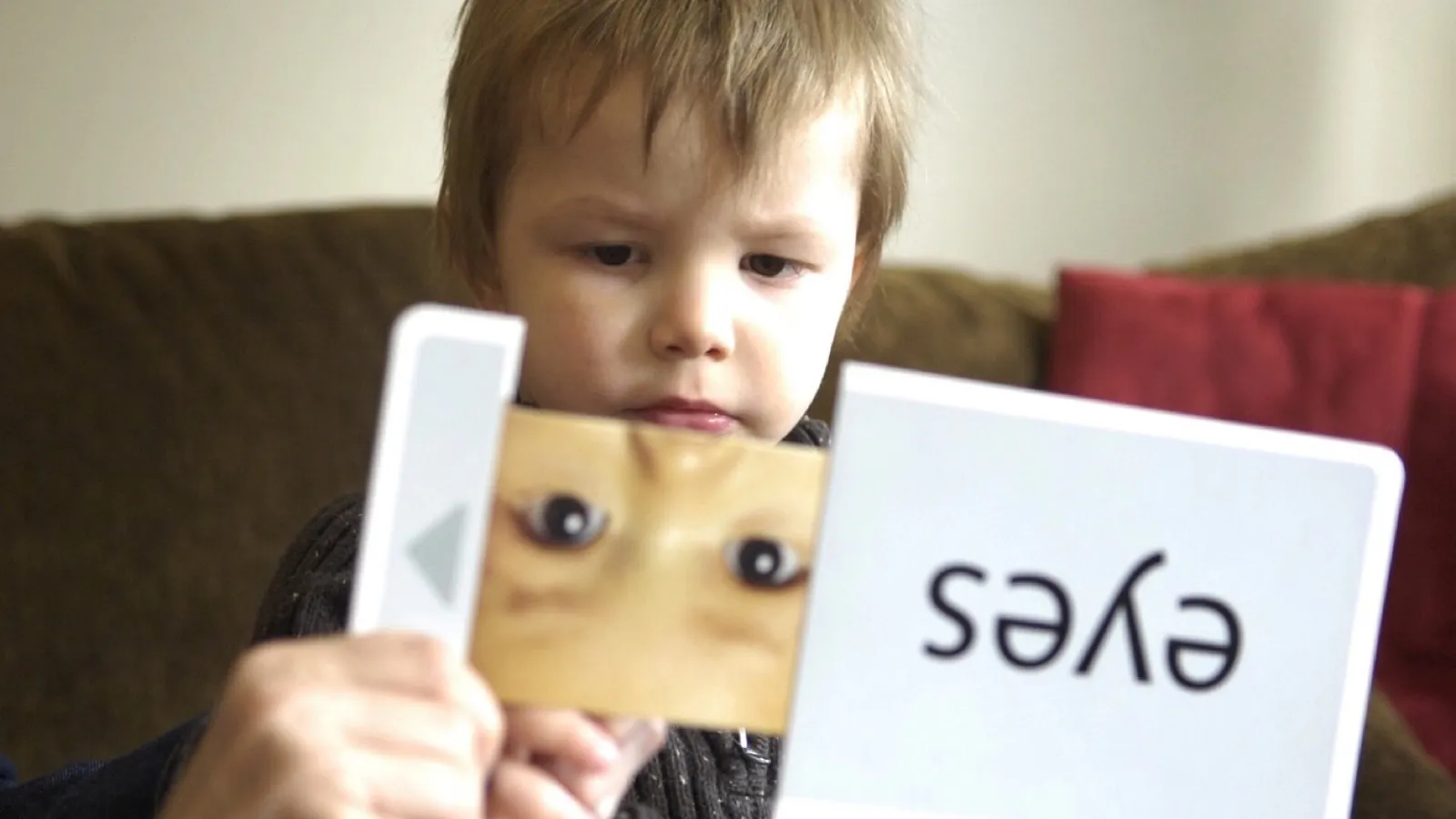 Practice Testing: Why a Quiz Beats Reading the Chapter AgainOf ten common study techniques reviewed across hundreds of studies, only two were rated high utility. Re-reading and highlighting were not among them. Here is what was, and why.Read the article →
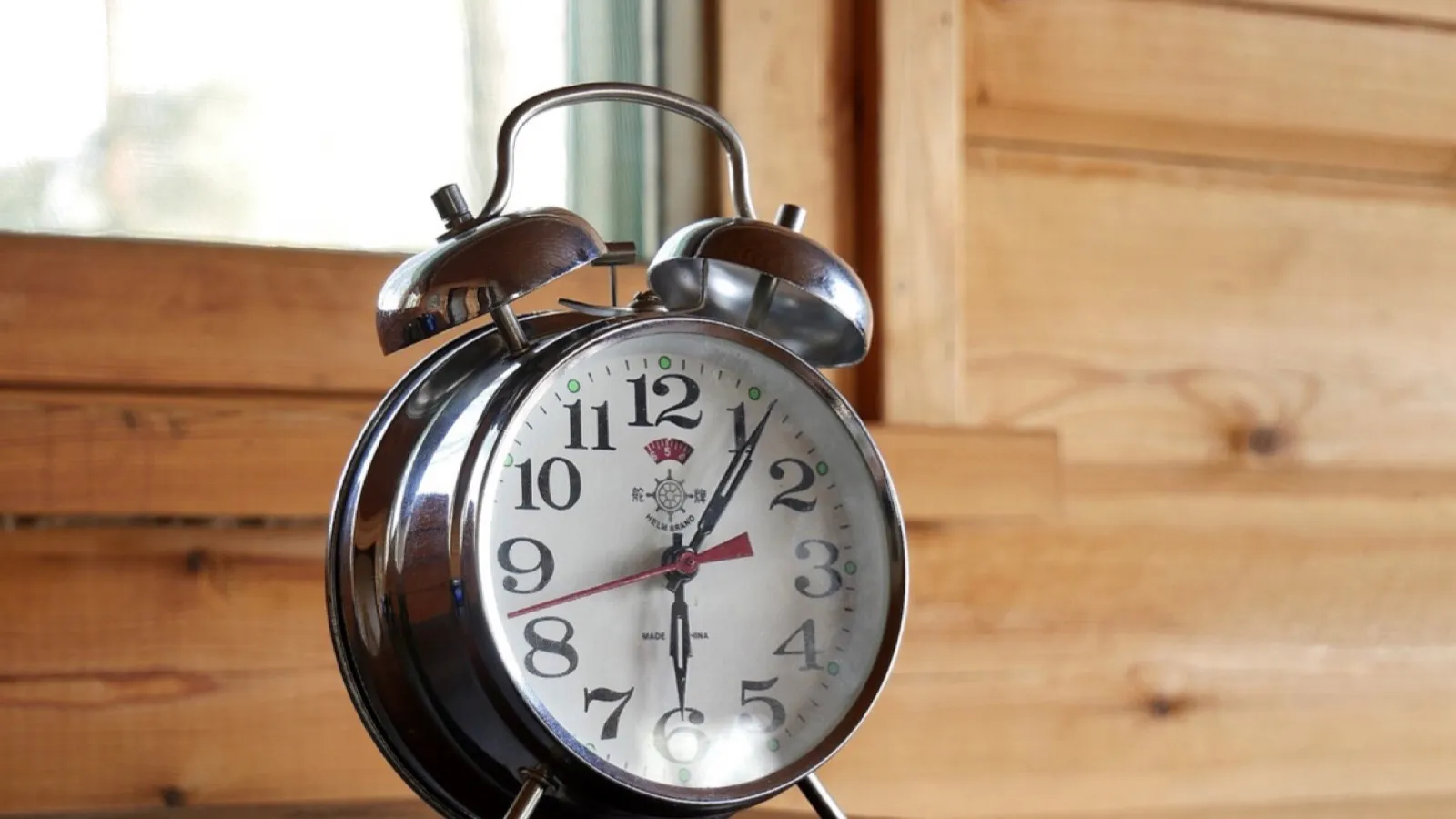 The Twenty-Minute Daily Habit That Moves a GradeNot three hours on Sunday. Twenty minutes a day, structured a particular way, across one term, and the reason it works is the gap between the sessions, not the minutes inside them.Read the article →
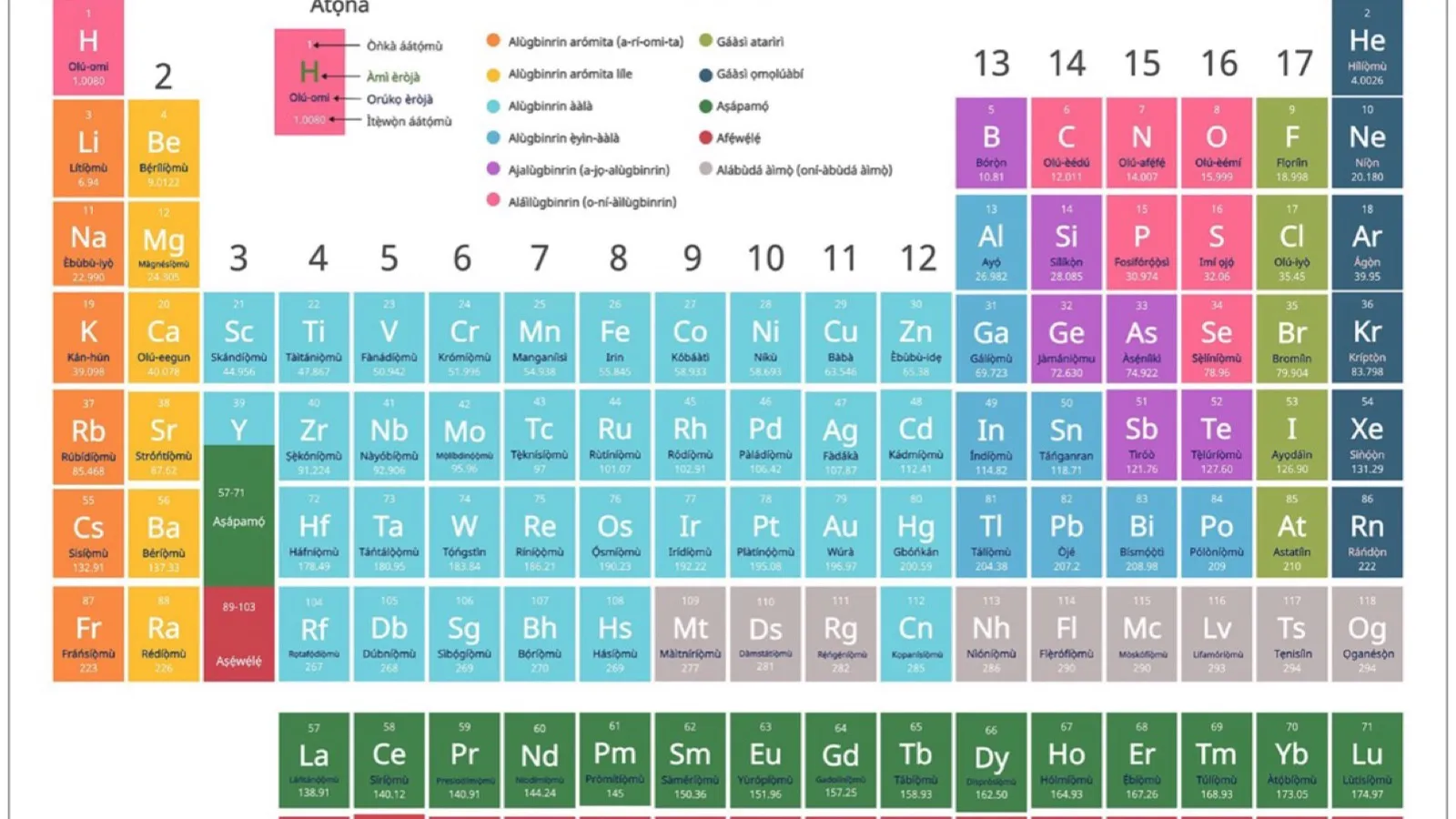 The Periodic Table From Class 7 to O Level ChemistryThe periodic table looks like a thing to memorise. It is the opposite: it is the thing that means you do not have to memorise. Read it right and it tells you how an element behaves before you have met it.Read the article →